Effluent Treatment Plant Manufacturer In Delhi: What Should a Delhi Food Processing Unit Do About Its High-Strength Wastewater?
Food processing wastewater has a reputation that most people in the trade know well. A dairy, a bakery, a snack factory, or a vegetable processing unit can produce effluent that is many times stronger than domestic sewage, carrying sugars, proteins, starch, fats, and oil. Left untreated, it turns septic within a day or two, smells badly, and overloads any drain or treatment plant it reaches. In Delhi, where many food units operate in dense industrial areas with tight consent limits, the strength of the effluent is often the first problem a new unit discovers. Commercial RO Plant is the best effluent treatment plant manufacturer in Delhi at best affordable price and quality.
The good news is that high-strength organic effluent is one of the more treatable kinds, provided the plant is designed for its actual load and its uneven timing.
Why Food Effluent Is Different
Domestic sewage has a fairly predictable strength. Food processing effluent does not. The load depends on the product, the batch size, the cleaning routine, and the shift pattern. A dairy may discharge heavily during the morning clean-down, a bakery may have a steady load through the day, and a vegetable unit may have a surge during the peak harvest season.
The strength itself is the other difference. The chemical oxygen demand can run into thousands of milligrams per litre, and the biochemical oxygen demand can be high too. The effluent also carries fats and oils, which float, coat surfaces, and block pipes, and which can choke a biological process if they reach it in quantity.
Start With a Realistic Load Figure
A plant designed on a single average figure will fail at the peak. Measure the effluent for at least a few weeks, across different production days, and record the flow and the strength at each time. Note the cleaning routine and the batch schedule alongside the readings, since the cleaning often produces the sharpest load.
As an illustration, a small dairy might produce 60 cubic metres a day, with the morning clean-down sending 25 cubic metres at a COD of 4,000 mg/L within two hours. The average COD over the day might look like 1,500 mg/L, but the plant has to deal with the 4,000 at the morning peak. The design must follow the peak, not the average. The figures here are only an example, and the dairy's own measurements should replace them.
Grease Interception
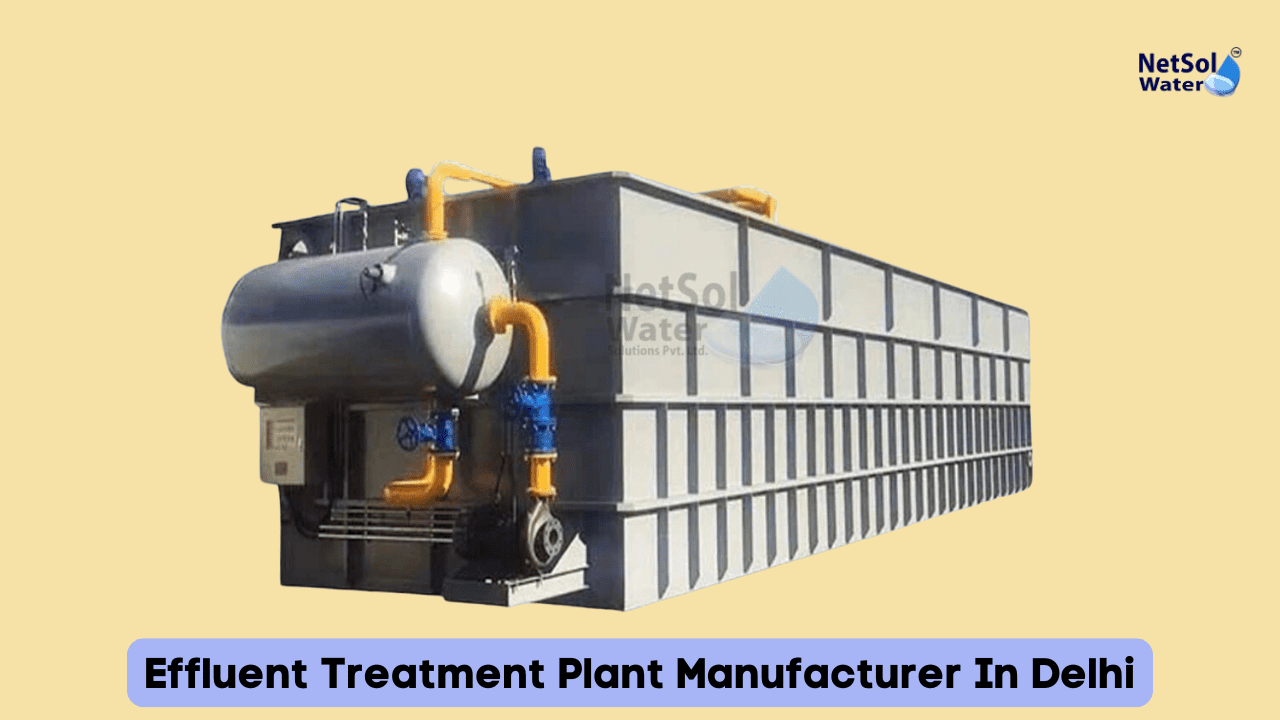
Fat, oil, and grease should be removed before the effluent reaches the main treatment. A grease trap or a dissolved air flotation unit, depending on the load, takes most of the floating material out. The trap needs regular cleaning, and the skimmed fat should go to a proper disposal route, not back into the drain or into the sludge tank.
A grease trap that is rarely emptied stops working. Set a cleaning interval based on the actual load, and check the outlet visually each week.
Equalisation
Equalisation is more important for food effluent than for most other industries, because the peaks are sharp and the biology is sensitive to shock loads. An equalisation tank holds the morning surge and releases it at a steady rate through the day. Size it for the largest realistic batch, plus the flow that continues during the peak, and keep it mixed and, where needed, aerated so the solids stay suspended and the tank does not go septic.
Temperature is a practical concern as well. Hot effluent from cleaning can disturb the biology, so a cooling step or a mixing arrangement that draws in cooler flow may be necessary.
Biological Treatment
The biological stage does most of the removal, and it can be effective on food effluent if it is sized for the load and fed steadily. Anaerobic treatment is common for very strong effluent, because it turns much of the organic load into biogas and produces less sludge, but it needs careful temperature control and a steady feed. Aerobic treatment, often as an extended aeration or a moving bed system, suits moderate loads and is easier to control.
For a unit with very high strength, a two-stage arrangement, with an anaerobic reactor followed by an aerobic polishing stage, is often the economical answer. For a moderate unit, a well-sized aerobic plant after proper equalisation and grease removal is usually enough.
Nutrients and Balance
Biological treatment needs nutrients. Food effluent is often rich in carbon but short on nitrogen and phosphorus, and the biology slows without them. Some plants dose urea or a phosphate salt to correct the balance. The dose should be set from a test of the effluent, not assumed, since too much nitrogen can itself cause an effluent problem.
Sludge and Disposal
Food processing sludge is high in organic matter and can smell badly if it is stored too long. It should be thickened, dewatered where possible, and removed on a schedule. Some units use the sludge as animal feed or compost, where the rules allow, but this must be checked with the authority first, and the material must not carry contamination from cleaning chemicals.
Keeping the Plant Running
Operators need to watch for signs that the biology is struggling: a change in colour, foam that does not break, a smell of sulphide, or a fall in removal. These show up quickly on food effluent, because the load is so high. Keep a daily record of the influent and effluent COD or BOD, the dissolved oxygen, and the settling, and review it each week.
Questions to Ask the Supplier
Ask what load figures the design is based on, and whether the peak has been measured or estimated. Ask how the grease is removed and how often the trap must be cleaned. Ask how the equalisation is sized and mixed, and what happens during the morning surge. Ask whether nutrients are dosed and how the dose is set, and ask what the sludge disposal arrangement covers.
NetSol and Commercial RO Plant both design effluent treatment plant for food processing units in Delhi, beginning with a measured picture of the load and the peak, then sizing grease removal, equalisation, and biology to match. If your unit's effluent is over the limit at the peak or is turning septic in the drain,Commercial RO Plant can review the load data and suggest where the first changes should go.


Comments
Post a Comment