Commercial RO Plant Manufacturer In Noida: How Should a Noida Coworking Hub Check Its Water Supply Against Peak Event Hours?
Events Turn a Quiet Building Into a Different Building
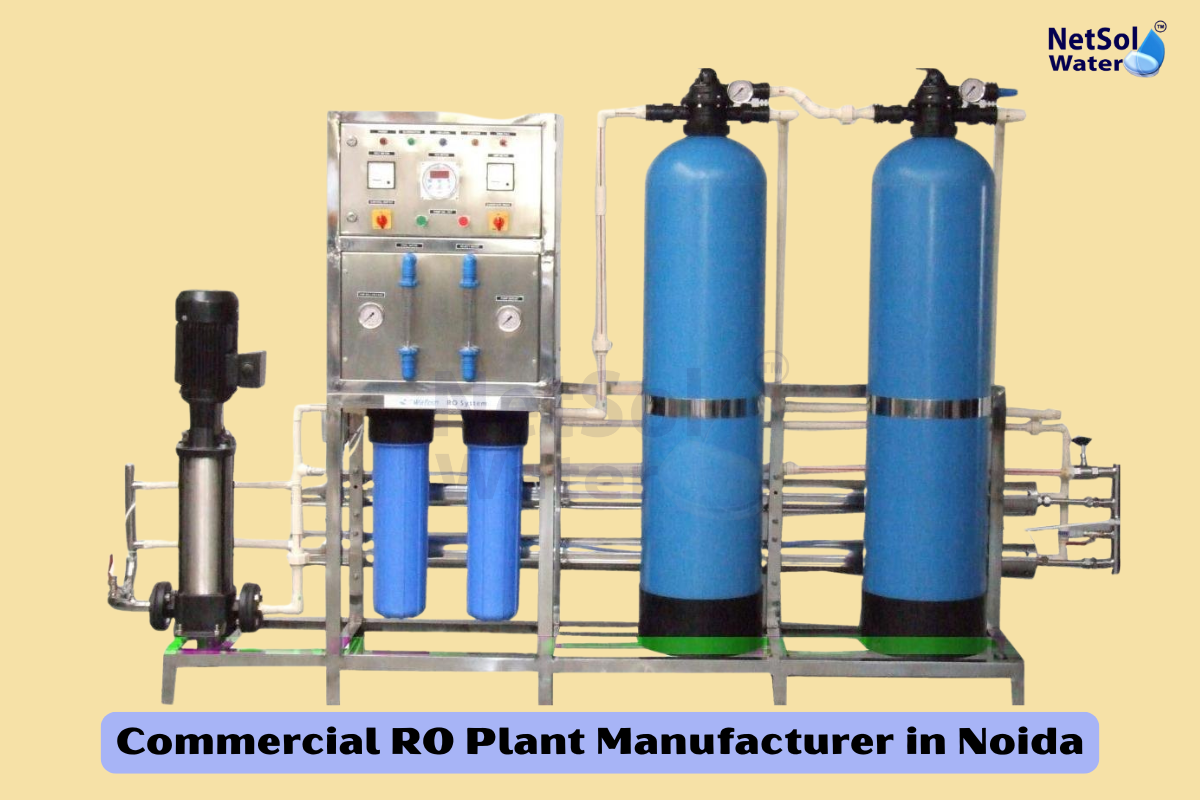
A coworking hub in Noida can run at a steady, modest demand for most of the week and then, on the night of a launch, a community meetup, or a weekend workshop, change character entirely. Two hundred people arrive in ninety minutes, the pantry empties, the washrooms run continuously, and the drinking water dispensers are drained within the hour. A water system sized for the ordinary week can fail the event, and the event is usually the moment the hub most needs to look reliable. Commercial RO Plant is the best commercial RO plant manufacturer in Noida at best affordable price and quality.
Mapping the Event Demand
Start with the calendar. List the events planned over the next three months, with their expected attendance, duration, and any catering. Compare them with the ordinary-day pattern from the water meter. The gap between an ordinary evening and the largest event is the demand the system must absorb.
An Illustrative Event Night
The figures below are assumptions, to show the method for a hub with around 180 regular members.
A) Ordinary weekday water use: roughly 1,800 litres
B) Event with 200 attendees for three hours: roughly 3,600 litres, with the drinking water and washroom draw concentrated in the first hour
C) Catering and washing up for the event: roughly 800 litres, mostly in the second hour
The first hour of the event draws more water than an ordinary day's peak, even though the total is only about twice the normal figure. That first hour decides whether the storage holds.
Checking the Storage Against the Peak
Compare the storage volume with the largest realistic one-hour draw, plus any draw that continues during the refill. If the plant refills at a fixed rate, check how long it needs to top up the tank after the first hour, and whether the tank will be low before the second wave of use. A tank that starts the event full and loses its margin in the first hour has failed, even if the plant is working.
Readings to Take Before an Event
1) The storage level at the start of the day, and whether the refill has finished
2) Permeate quality at the outlet, measured close to the event start
3) Dispenser and tap flushing, done before the first guest arrives
4) Pressure at the highest outlet, checked during a test draw
5) The number of filter cartridges and dosing chemicals held on site
Practical Steps
Arrange the refill to finish before the event starts, not during it. Where the hub can, add a temporary bottled water supply for the first hour, so the storage is not the only source. Brief the front-of-house team on which dispensers are on which line, so nobody drains the wrong one.
Limits Worth Setting
Set a maximum attendance for events the water system can support without a temporary supply. Record it, and check it after each event. The hub will learn its own limit over a few months, and the figure should go into the event booking rules.
Questions to Ask the Supplier
A) What one-hour draw is the storage sized for?
B) How long does the refill take after a full draw, and at what rate?
C) What temporary supply options exist for a large event?
D) How should the dispensers and the taps be flushed before an event?
Conclusion
A coworking hub's water system has to meet its busiest hour, and the busiest hour is often an event. Map the events against the ordinary pattern, check the storage against the first-hour draw, take the readings before each event, and set a limit on attendance the system can support. A hub that does this stops learning about its water limits from a dry dispenser on a full evening.
Commercial RO Plant checks event water demand for Noida coworking and hospitality spaces against the storage, the refill rate, and the first-hour draw.Commercial RO Plant can review your event calendar and storage with you.


Comments
Post a Comment