Commercial RO Plant Manufacturer In Noida: What Sector 78's Bottled Water Story Reveals About Trusting the Tap
Residents of a housing society in Noida's Sector 78 resorted to bottled water for drinking after their supply turned yellow or black and tested at TDS levels described as dangerously high, with several people reportedly falling ill. The disruption traced back to Ganga water supply being cut, forcing the area onto borewell water instead. For any business evaluating a Commercial RO Plant Manufacturer In Noida, this incident is a useful case study in how quickly water quality in this city can shift from acceptable to genuinely unsafe, often with little warning.
A City Where Supply Quality Depends on What's Running That Week
Noida's water supply draws heavily on Ganga canal water supplemented by groundwater, and when canal supply gets disrupted, whether through scheduled desilting work or infrastructure issues at treatment plants, the city falls back on borewell sources with meaningfully different quality characteristics.
A Pattern That Keeps Recurring
A) The Federation of Noida Residents Welfare Associations has formally raised recurring complaints about low pressure and poor water quality with Noida Authority leadership
B) Multiple sectors have reported water turning yellow or black, along with TDS levels climbing well past safe thresholds, typically coinciding with supply source switches
C) Reporting from 2026 documented high rise societies along the Noida-Greater Noida Expressway, including Sectors 137, 143, and 150, facing severe shortages
D) Residents in affected societies were seen queuing for a single tanker to serve an entire building, driven by Ganga water disruptions combined with infrastructure that hasn't kept pace with rapid vertical development
Why Infrastructure Lag Is the Underlying Theme Across Every Incident
Looking across these separate reports, a single thread connects nearly all of them. Noida's physical water and sewer infrastructure, pipelines, master networks, treatment plant maintenance, has not expanded at the same pace as the city's vertical growth. New high-rise sectors along the expressway corridor have gone up considerably faster than the underlying municipal systems meant to serve them, and the gap shows up repeatedly as contamination, pressure loss, and emergency tanker dependency whenever the primary Ganga supply experiences any disruption at all.
Why the Problem Isn't Limited to Noida Alone
Greater Noida has faced an even more serious version of this issue. In the Delta 1 sector, hundreds of residents reportedly fell ill after sewage was found to have mixed into the drinking water supply through a leak in the sewage lines, a failure that echoed a fatal contamination incident in another Indian city around the same period. The Greater Noida Authority later confirmed supply had been restored and tested safe, but only after a significant number of people required medical attention and complaints that had reportedly been raised earlier went unaddressed.
What the Delta 1 Incident Reveals About Response Time
Equally important as the contamination itself is how long it reportedly took for the issue to receive serious attention. Residents described repeated complaints being submitted before the Greater Noida Authority took the matter seriously enough to act, only moving decisively once the number of affected residents requiring medical care became significant. For any business depending on municipal supply in this region, this timeline is worth internalizing, a genuine water quality failure may not trigger a fast institutional response, leaving the affected party to absorb the consequences in the interim.
Why This Matters More for Businesses Than for Households
A household switching to bottled water during a supply disruption absorbs an inconvenience. A business facing the same disruption confronts something considerably more serious.
1) Restaurants and cafes risk direct customer health incidents if contaminated water enters food or beverage preparation
2) Hotels running laundry, kitchens, and guest facilities at volume cannot simply pause operations during a multi-day supply gap
3) Clinics and diagnostic centers depend on water purity for sterilization and lab accuracy, where contamination risk carries the highest stakes of all
4) Offices and corporate campuses face operational disruption and reputational exposure if a water quality incident becomes public
The Reputational Dimension Businesses Often Underestimate
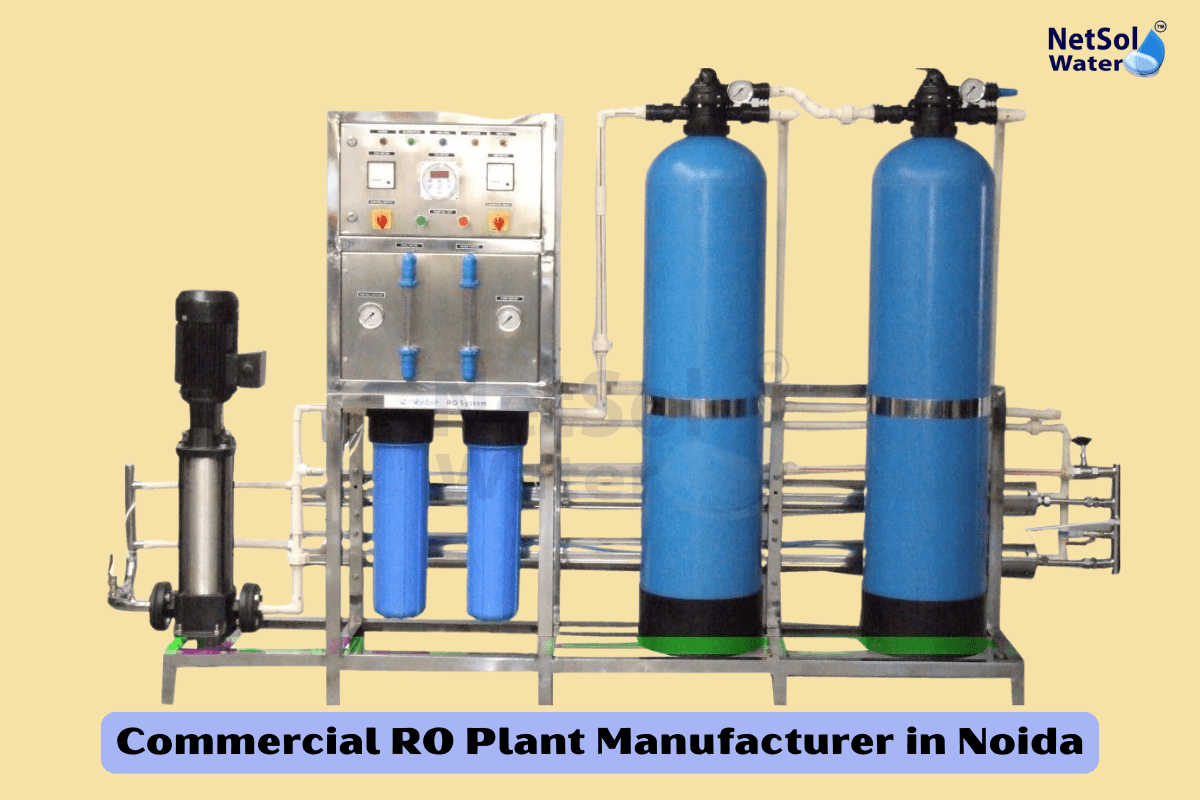
What a Dedicated Commercial RO System Changes
A business running its own properly designed RO system, fed from a source that has actually been tested rather than assumed safe, does not need to gamble on whether this week's supply is coming from the Ganga canal or an emergency borewell switch. The system treats whatever arrives consistently, rather than leaving water quality to depend on which source happens to be active.
What Proper Design Needs to Account For
A) Testing the building's water under both normal supply conditions and during a borewell fallback scenario, since the two can differ considerably
B) Sizing storage capacity around realistic multi-day disruption scenarios, not just an average day's consumption
C) Building in monitoring that flags a sudden shift in feed water quality, since that's often the first sign a supply source has changed
D) Ensuring the system can handle the higher TDS and contamination load typical of emergency borewell water without a drop in output quality
What to Check Before Choosing Any Manufacturer
1) Have they tested your specific building's water source under both normal and disrupted supply conditions?
2) Can they size a system and storage capacity around genuine peak demand and multi-day supply gaps?
3) What does their local service response time actually look like?
4) Can they provide references from businesses dealing with comparable conditions elsewhere in Noida?
5) Do they offer ongoing monitoring that would catch a sudden quality shift before it affects operations?
Conclusion
Noida's documented pattern of TDS spikes, discolored supply, and in nearby Greater Noida, outright sewage contamination, makes clear that water quality here cannot be taken for granted by any business that depends on it daily. Commercial RO Plant works with businesses across Noida to test actual source water, design systems around real operating demand, and build in the storage capacity needed to bridge supply disruptions that have repeatedly proven unpredictable. Businesses ready to stop depending on whichever water source happens to be running that week will find Commercial RO Plant a dependable partner for building genuine water security.


Comments
Post a Comment