Commercial RO Plant Manufacturer: How Should a Commercial Kitchen Choose Between a Filtered Tap, a Cooler, and an RO Plant?
A commercial kitchen has more water decisions than most people realise. The chef wants water for stock and sauces that tastes clean and behaves predictably. The dishwasher needs water that will not spot glassware. The coffee machine needs water with the right hardness. The staff want drinking water at the sink. Each of these can be met by a different level of treatment, and the three most common answers are a filtered tap, a water cooler with a filter, and a full RO plant. Choosing among them is less about which is best and more about which uses need which standard, and how much water each one uses. Commercial RO Plant is the best commercial RO plant manufacturer in India at best affordable price and quality.
This article is a practical guide for a cafeteria or restaurant. It sets out what each option does, where each fits, and how to decide.
Start With the Uses
List the Water Uses Before the Equipment
Write down every place water is used in the kitchen and its immediate area: drinking, cooking, stock and sauces, ice, coffee and tea, dishwashing, floor and equipment washing, and washrooms. For each one, note the volume roughly used per day and the quality it needs. The equipment choice follows from this list, not the other way round.
Quality Varies Across the List
Washrooms and floor washing need water that is safe and reasonably clear, but not treated to a high standard. Drinking water and coffee need better taste and lower impurities. Ice and some cooking uses are sensitive to dissolved solids, which affect taste, clarity, and equipment scaling. Dishwashers can be affected by hardness. A single treatment level rarely suits every use equally well.
The Three Options
A Filtered Tap
A filter fitted to the kitchen tap or a line removes sediment, some chlorine, and taste compounds. It does not remove dissolved salts or significantly reduce hardness. It is inexpensive and simple to install and service, and it suits uses where the source water is already acceptable apart from taste or particles.
A Cooler With a Filter
A water cooler with a cartridge filter serves drinking water at a dispensing point. It improves taste and removes sediment, but like a tap filter it does not reduce dissolved salts. It is convenient for staff drinking water, but it does not change the quality of water used for cooking or equipment.
A Full RO Plant
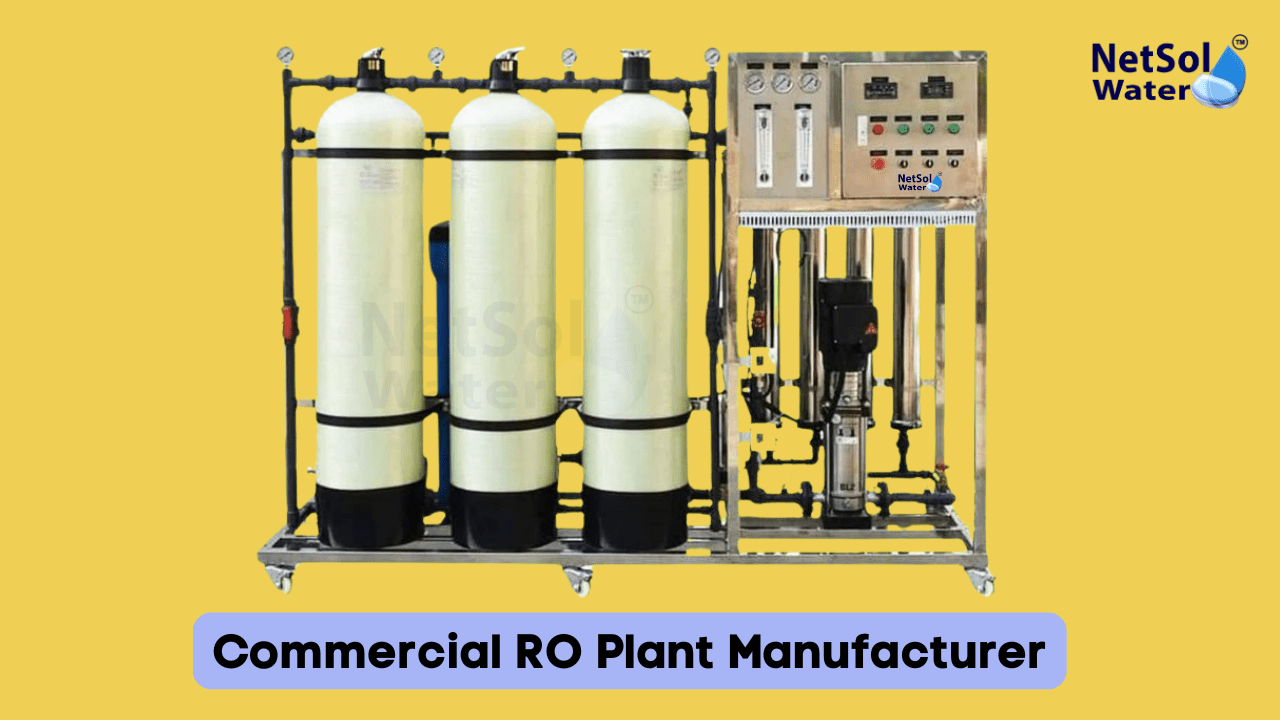
An RO plant removes most dissolved salts, and with suitable pre-treatment it can supply water for drinking, ice, coffee, and sensitive cooking. It also reduces hardness, which helps the dishwasher and coffee machine. It requires space, power, a storage tank, regular service, and reject water handling. Its cost is higher, and it makes sense only where the volume and the quality needs justify it.
Matching Options to Uses
Where a Tap Filter Is Enough
Washroom supply, floor washing, and general cleaning usually do not need RO water. A filter on the kitchen supply, where needed, is generally sufficient for these.
Where a Cooler Helps
Staff drinking water at a set point is often best served by a cooler with a filter. This keeps the drinking supply separate and easy to manage, without treating the whole kitchen supply.
Where an RO Plant Earns Its Place
Ice, coffee, cooking stock, and the dishwasher are the usual reasons a kitchen needs RO water. If these uses take a large share of the volume, or if the source is hard or saline enough to cause scale and taste problems, an RO plant can be the right answer. It can also serve the cooler and the coffee line from one point of control.
A Worked Comparison
The figures below are assumptions for a cafeteria serving about 300 meals a day, not measured values.
Suppose the kitchen uses about 2,000 litres a day for cooking, dishwashing, and ice, and about 300 litres a day for drinking and coffee. The source has moderate hardness and a TDS of around 450 mg/L.
A) Tap filter only: low cost, but the ice, coffee, and dishwasher would still be fed with the untreated hardness, with ongoing scale and taste complaints.
B) Cooler and tap filter: suitable for the drinking water, but the cooking and dishwashing would remain on the source supply.
C) Full RO plant: higher cost and reject water, but it treats the 2,300 litres a day that matter for taste, scale, and equipment.
The decision turns on how much the scale and taste problems cost, and how much the RO plant costs to run and maintain. Those figures should be worked out for the particular kitchen.
Operating Differences
Service and Responsibility
Filters need cartridge changes on a schedule and are easy for kitchen staff to manage. A cooler needs its own service. An RO plant needs a maintenance contract, membrane attention, and a trained person to watch the readings. A kitchen that cannot provide that attention should not take on a full plant.
Hygiene
Storage tanks and dispensers are a hygiene point for any system. A filter cartridge must be changed on time, since an overdue cartridge can release what it has trapped. A storage tank for RO water must be cleaned and kept covered, since stagnant water can support growth.
Reject Water
An RO plant discharges reject water, which is not suitable for drinking or cooking. Plan its drain and, where possible, its reuse for floor washing or similar uses.
Questions to Ask Before Choosing
1) Which kitchen uses are most affected by hardness or taste, and how much water do they take?
2) What does the source water look like in terms of hardness, TDS, and chlorine?
3) Who will change the filters, service the cooler, or maintain the RO plant?
4) What are the running costs of each option, including reject water and power?
5) Is there a dedicated space and drain for an RO plant, and is it realistic?
Summary
A commercial kitchen does not need one answer for all its water. Start from the uses, match each one to the level of treatment it needs, and choose between a filtered tap, a cooler, and an RO plant by the volume and the quality each use demands. A filter may be enough for washing and general use, a cooler serves staff drinking water well, and an RO plant earns its place where ice, coffee, cooking, and dishwashing are heavily affected by the source.
Commercial RO Plant assesses cafeteria and restaurant water needs against the uses listed here, comparing the three options with the kitchen's own volumes and source analysis before recommending one. If your kitchen is weighing these choices, Commercial RO Plant can run the comparison with your figures.


Comments
Post a Comment