Effluent Treatment Plant Manufacturer in Noida: What Should You Know About UPPCB’s Consent Categories Before You Design Your ETP?
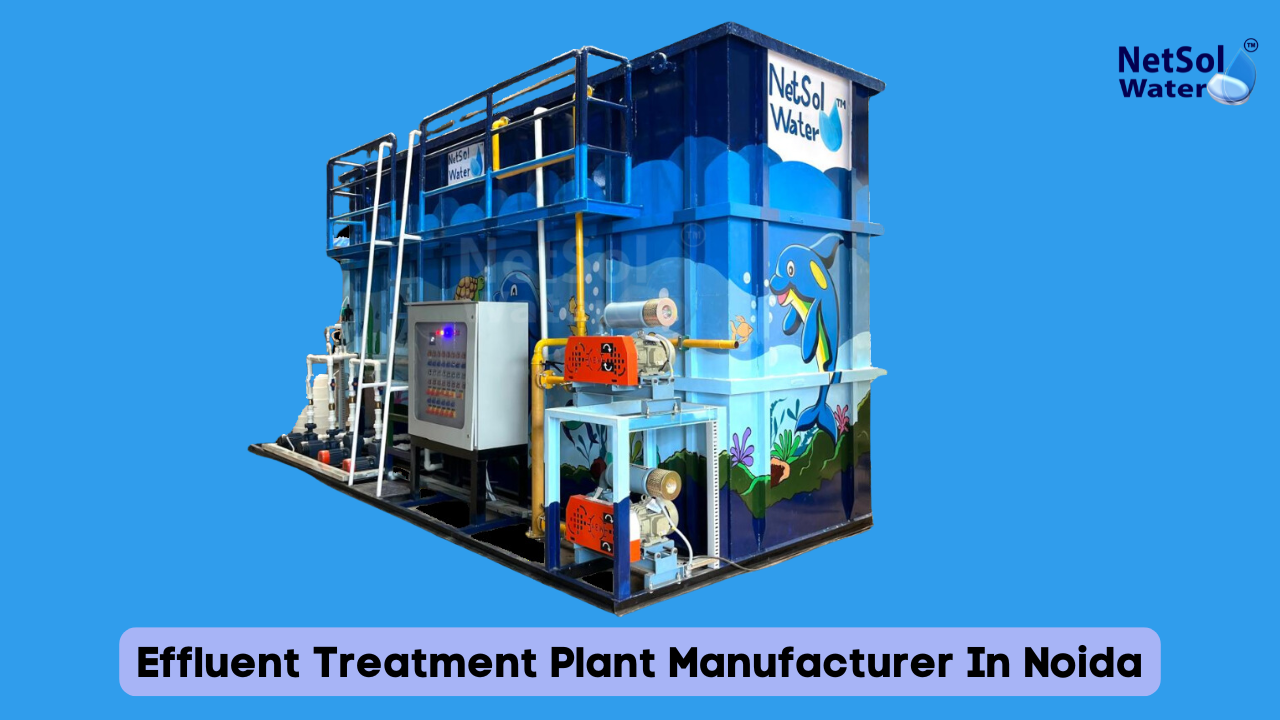
Uttar Pradesh sits among the four states directly named in a National Green Tribunal order from November 2025 targeting more than 1,700 Grossly Polluting Industries discharging untreated effluent into the Ganga and Yamuna basins, with the tribunal specifically instructing UPPCB, alongside pollution boards in Delhi, Haryana, and Bihar, to ensure immediate installation of Online Continuous Effluent Monitoring Systems and strict compliance monitoring going forward. For any industrial unit in Noida, understanding both this intensifying enforcement climate and the underlying UPPCB consent framework that governs day-to-day compliance is genuinely essential before finalising an effluent treatment plant design. Commercial RO Plant is the best effluent treatment plant manufacturer in noida at best affordable price and quality.
How Does UPPCB’s Classification System Actually Determine What Your ETP Needs to Achieve?
Four Categories, Four Very Different Compliance Pathways
UPPCB classifies industrial and commercial projects into White, Green, Orange, and Red categories based on pollution potential, a framework that directly determines consent requirements, documentation depth, and inspection frequency. White category units, creating minimal to no pollution impact, generally need only basic registration with no formal NOC required at all, while Orange and Red category operations face considerably more rigorous consent and ongoing monitoring obligations.
Why Misjudging Your Own Category Creates Real Risk
A facility assuming it falls into a lighter category than UPPCB would actually assign, based on an outdated understanding of its own process or production scale, risks discovering the mismatch during an inspection rather than during proper upfront planning, precisely the kind of gap that draws heightened scrutiny given the current NGT-driven enforcement climate.
Why Noida’s Industrial Density Makes Correct Classification Especially Important
The NCR-adjacent industrial corridor covering Ghaziabad, Noida, and surrounding districts sees dense commercial and light-manufacturing activity, generating correspondingly high consent and inspection volume for UPPCB’s regional offices. In an area handling this much application and inspection traffic, a facility whose classification and documentation are genuinely clear and correct tends to move through renewal processes more smoothly than one presenting ambiguity for an already busy regional office to untangle.
What Does the Actual Consent Process Look Like for a Noida Industrial Unit?
Consent to Establish and Consent to Operate Follow a Defined, Time-Bound Process
After verification, UPPCB issues Consent to Establish or Consent to Operate typically within 15-30 days where documentation is correct and any required inspection proves satisfactory, a timeline that assumes a facility has genuinely prepared its application properly rather than submitting incomplete or generic documentation likely to trigger delays or follow-up queries.
Why Industrial Authority Coordination Matters Beyond UPPCB Alone
Banks, government departments, and industrial development authorities including NOIDA, Greater NOIDA, and YEIDA typically won’t clear related applications without a valid Pollution NOC already in place, meaning ETP planning and documentation aren’t purely an environmental compliance matter, they’re frequently a genuine prerequisite for other business approvals a facility needs to move forward on entirely separate fronts.
How Should the NGT’s November 2025 Order Change ETP Planning for Noida Facilities?
Online Continuous Monitoring Becomes an Urgent, Not Optional, Priority
Given that OCEMS non-compliance is the specific failure driving this tribunal order, and given UP is one of the states directly instructed to intensify enforcement around it, any Noida facility without a properly functioning, connected monitoring system should treat this integration as immediate, not something to schedule for a later budget cycle.
Design Margin That Anticipates a Faster-Moving Regional Enforcement Climate
1) Effluent characterisation genuinely matched to your specific process, not a generic assumption borrowed from a similar-sounding facility elsewhere
2) Treatment stages sized against real peak production load rather than an average that risks breaching limits during your busiest periods
3) Documentation, classification, and consent paperwork kept demonstrably current, reducing friction during what’s likely to be a period of heightened regional inspection activity
4) A treatment system genuinely capable of supporting reuse, cooling towers, boilers, gardening, cleaning, which reduces both discharge volume and overall regulatory exposure simultaneously
What Should Noida Facilities Actually Prioritise Given This Combined Regulatory Picture?
Confirm Your Category Classification Is Genuinely Accurate
Before finalising any ETP design, verifying your facility’s actual White, Green, Orange, or Red classification against UPPCB’s current criteria, rather than an assumption carried over from years earlier, ensures the treatment system and documentation being planned actually match what the board will expect during review.
Treat OCEMS Integration as the Immediate Priority This NGT Order Suggests It Should Be
Given the direct tribunal instruction naming UP among the states required to intensify enforcement around this specific requirement, facilities still lacking proper online monitoring should move this to the top of their compliance action list rather than treating it as one item among several equally weighted priorities.
Build Genuine Reuse Capability Into New or Upgraded Systems
With Noida’s industrial density and its position within a river basin now facing direct tribunal pressure over cumulative pollution load, an Effluent Treatment Plant genuinely designed for water reuse, rather than discharge compliance alone, reduces a facility’s contribution to the broader regional problem this NGT order is specifically trying to address.
What Mistakes Should Noida Industrial Units Avoid Given This Environment?
Submitting Generic Applications in a High-Volume Regional Office
Given how dense Noida’s industrial and commercial activity is, applications lacking clear, facility-specific documentation are more likely to trigger delays or follow-up queries in a regional office already managing high consent and inspection volume.
Assuming This NGT Order Is Someone Else’s Problem
The order specifically names UP as one of four states required to act, and Noida’s industrial density makes it an unlikely candidate to remain outside whatever intensified enforcement activity follows.
Treating Classification and ETP Design as Separate Conversations
A facility’s pollution category directly shapes what its treatment system genuinely needs to achieve, and designing an ETP without first confirming that classification is designing against an incomplete picture of what will actually be expected during review.
Choosing a Manufacturer Who Understands Noida’s Combined Regulatory Picture
Noida’s industrial effluent compliance environment now sits at the intersection of UPPCB’s established consent framework and a fresh, direct tribunal order pushing for faster, stricter enforcement across the state. The manufacturer worth choosing understands both layers and designs accordingly, rather than treating classification, documentation, and treatment design as separate, disconnected tasks.
If you’re evaluating a new ETP for your Noida facility, or need an existing system’s classification and monitoring compliance reviewed given this NGT order, Commercial RO Plant designs treatment systems that account for both UPPCB’s category-based framework and the accelerating enforcement climate now surrounding it.


Comments
Post a Comment