Effluent Treatment Plant Manufacturer In Ghaziabad: What Should Sahibabad, Loni, and Site IV Industries Each Be Planning For?
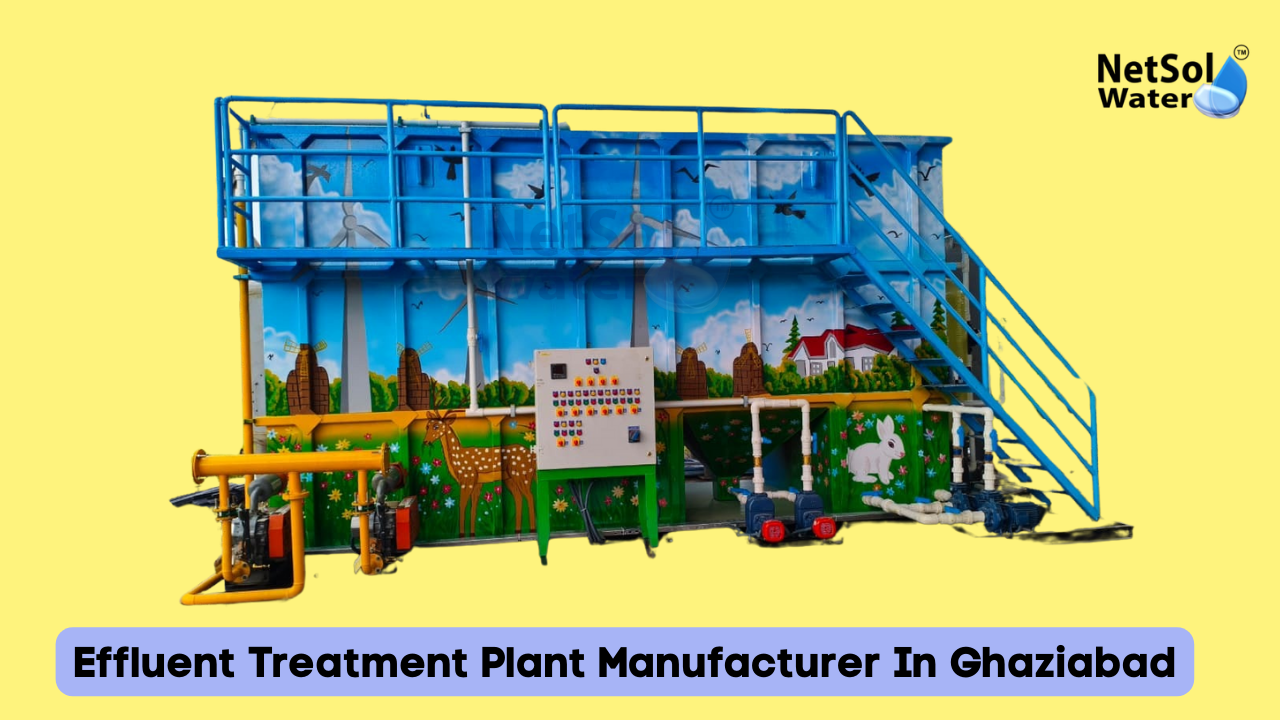
Ghaziabad’s industrial base isn’t a single, uniform cluster, it spans several genuinely distinct areas, Sahibabad, Loni, and Site IV among them, each carrying its own mix of industries and its own specific enforcement history with UPPCB. Treating an effluent treatment plant proposal the same way regardless of which specific cluster a facility sits in misses meaningful differences in what regulators are actually watching for in each location, differences that directly affect how an ETP should be designed and documented. Commercial RO Plant is the best effluent treatment plant manufacturer in ghaziabad at best affordable price and quality.
Why Does Location Within Ghaziabad Actually Matter for ETP Planning?
Sahibabad and Loni Have Faced the Most Documented Enforcement Activity
UPPCB’s regional office has specifically recommended closure for industrial units concentrated in Sahibabad and Loni during recent enforcement drives, with the National Green Tribunal separately closing out a multi-year case involving 19 industrial units and a CETP in the Loni area after finding illegal pollutant discharge. Facilities operating in these specific clusters should assume genuinely closer, more frequent scrutiny than the citywide average might suggest.
Why Site IV and Other Industrial Areas Carry Their Own Distinct Profile
Different industrial zones within Ghaziabad host different concentrations of industry type, dyeing and textile operations in some areas, general manufacturing and electroplating in others, and each mix creates a genuinely different effluent profile that a one-size-fits-all treatment approach struggles to address effectively.
Why This Geographic Variation Is Easy to Overlook
It’s tempting for a facility owner to assume that Ghaziabad’s regulatory expectations apply uniformly across the district, and to treat a manufacturer’s generic proposal as sufficient regardless of exactly where the plant sits. In practice, a facility located in a cluster with a documented enforcement history should reasonably expect closer inspection frequency and less tolerance for marginal non-compliance than a facility in an area with a comparatively quieter enforcement record, a distinction that genuinely should inform how much margin is built into the treatment design.
What Has UPPCB’s Enforcement Pattern Actually Revealed About Common Failure Points?
Sizing Gaps Show Up Repeatedly Across Enforcement Cases
Many of the units caught in Ghaziabad’s enforcement drives weren’t operating without any treatment at all, they had effluent treatment systems that simply weren’t sized correctly for their actual current production output, a gap that tends to widen quietly over years as a facility grows without a corresponding treatment upgrade.
Heavy Metals and BOD Consistently Exceed Prescribed Limits
Treated discharge from non-compliant Ghaziabad units has repeatedly shown heavy metals and BOD levels exceeding prescribed limits, pointing to either inadequate pre-treatment design or treatment systems that were never properly matched to the specific pollutant profile of the industry generating that effluent in the first place.
Missing or Poorly Maintained Online Monitoring Remains a Recurring Gap
Larger units required to maintain online continuous monitoring systems have repeatedly been found with these systems either missing entirely or poorly maintained, a gap that draws direct regulatory attention given how central this monitoring has become to UPPCB’s overall enforcement approach.
Why These Failure Points Tend to Compound Rather Than Occur in Isolation
It’s worth noting how frequently these issues appear together rather than as isolated problems, a facility with an undersized ETP is often the same facility that’s fallen behind on monitoring system maintenance, since both failures typically stem from the same underlying pattern, treating environmental compliance as a low-priority item once the initial installation is complete, rather than an ongoing operational discipline requiring continued investment and attention.
How Should Facility Owners Actually Approach ETP Planning Given This Enforcement Pattern?
Design Sized Against Genuine Current and Future Production Volume
1) Actual current output, not a historical figure from when the facility was originally established
2) Realistic near-term growth projections built into the treatment train from the outset
3) Pre-treatment stages genuinely matched to the specific industry, colour and COD reduction for textile and dyeing operations, dedicated heavy metal recovery for electroplating
Genuine Documentation Discipline Given How Actively UPPCB Is Enforcing
Consent to Establish and Consent to Operate need to stay current as a facility’s operations evolve, and gaps in this paperwork have directly contributed to enforcement action even where a facility’s underlying treatment technology was reasonably sound.
Online Monitoring Treated as Core Infrastructure, Not an Optional Add-On
Given how consistently missing or poorly maintained monitoring systems appear across Ghaziabad’s enforcement cases, treating this integration as a genuine, ongoing maintenance priority rather than a one-time installation checkbox protects a facility from becoming the next unit flagged in a routine UPPCB sweep.
What Should Facilities in Each Specific Cluster Actually Prioritise?
Sahibabad and Loni Units Should Assume Closer, More Frequent Scrutiny
Given the documented enforcement concentration in these specific areas, facilities here should genuinely treat their ETP compliance margin as a priority above the citywide baseline, building in extra assurance rather than designing to the bare minimum a less-scrutinised area might get away with.
Textile and Dyeing Operations Need Colour-Specific Treatment Regardless of Location
Colour removal deserves dedicated attention within any textile facility’s treatment train across Ghaziabad’s industrial areas, since dye residues visible in discharged water draw immediate regulatory and public attention regardless of whether other parameters technically pass.
Facilities Growing Beyond Their Original Design Should Reassess Now, Not After an Inspection
Any Ghaziabad facility that’s genuinely scaled production since its Effluent Treatment Plant was originally installed should proactively review whether that system still matches current output, rather than waiting for an inspection to reveal a gap that’s likely been quietly developing for some time.
Why a Proactive Internal Audit Genuinely Pays Off Across Every Cluster
Regardless of which specific industrial area a facility operates in, commissioning an independent internal review of both treatment system capacity and documentation status, before UPPCB’s own inspection cycle catches any gap, gives a facility genuine control over the timing and terms of addressing any shortfall, rather than reacting under the pressure of an active enforcement notice.
Choosing a Manufacturer Who Understands Ghaziabad’s Cluster-Specific Realities
Ghaziabad’s industrial effluent enforcement isn’t uniform across the city, it concentrates heavily in specific areas with documented histories of closure action and repeated violations. The manufacturer worth choosing understands which cluster your facility sits in and designs accordingly, rather than applying a generic citywide template.
If you’re evaluating a new ETP for your Ghaziabad facility, or need an existing system reviewed against UPPCB’s documented enforcement patterns in your specific industrial area, Commercial RO Plant designs treatment systems matched to your facility’s actual location, industry, and production reality.


Comments
Post a Comment