Effluent Treatment Plant Manufacturer In Ghaziabad: What Plastics, Packaging, and Consumer Goods Units Actually Need
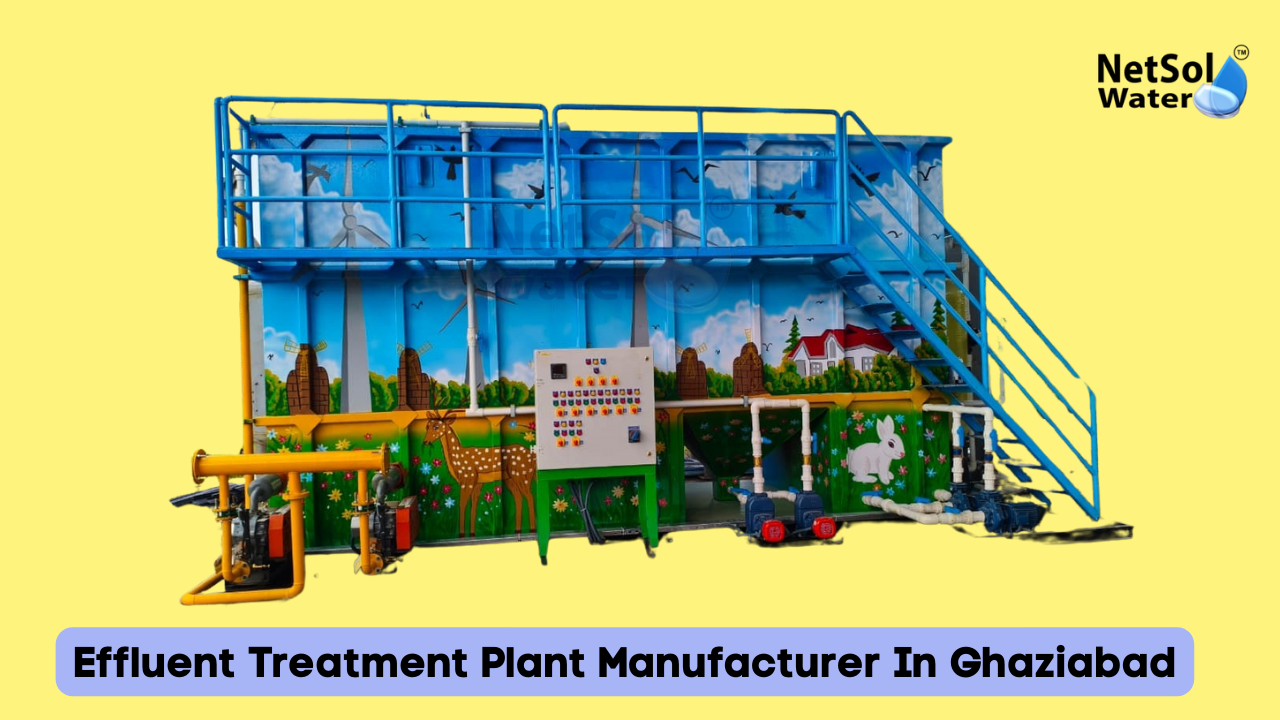
Beyond the textile and electroplating clusters that usually dominate conversations about Ghaziabad's industrial effluent, the city also hosts a substantial and growing concentration of plastics processing, packaging manufacturing, and consumer goods production, industries whose wastewater carries a genuinely different character than dye-heavy or metal-bearing discharge, and whose treatment needs deserve their own dedicated attention rather than being lumped in with the city's more commonly discussed industrial categories. Commercial RO Plant is the best effluent treatment plant manufacturer in Ghaziabad at best affordable price and quality.
Why Plastics and Packaging Effluent Looks Different From Other Industries
Washdown and Cooling Water Dominate Rather Than Process Chemistry
Plastics processing and packaging manufacturing typically generate wastewater dominated by equipment washdown, cooling water, and general facility cleaning rather than the concentrated chemical process streams typical of dyeing or electroplating, meaning the overall pollutant profile tends to run lower in heavy metals but can still carry meaningful oil, grease, and suspended solids from manufacturing equipment.
Additive and Colourant Residues Deserve Specific Attention
Plastics processing involving colourants, stabilisers, and various additives can introduce trace chemical residues into washdown water that, while typically lower in concentration than dedicated chemical manufacturing effluent, still need proper characterisation rather than assumption that plastics processing automatically means benign wastewater.
Consumer Goods Packaging Often Includes Food-Contact Considerations
Units manufacturing packaging for food or consumer products sometimes face additional water quality considerations tied to their own hygiene and quality standards, meaning their effluent treatment planning occasionally needs to account for both discharge compliance and internal process water quality requirements simultaneously.
Injection Moulding and Extrusion Processes Add Cooling-Specific Demand
Plastics manufacturing frequently relies on injection moulding or extrusion equipment that requires substantial cooling water circulation to manage process temperatures, and this cooling water, while not carrying heavy chemical contamination in most cases, still represents a genuine volume that needs proper accounting within an overall water and effluent strategy, particularly where facilities are looking at recirculating cooling water to reduce both fresh water draw and discharge volume simultaneously.
What a Properly Designed ETP for This Sector Should Include
Oil and Grease Separation as a Genuine Priority
Given how much of this sector's wastewater load comes from equipment washdown and cooling water, dedicated oil and grease separation, rather than an afterthought stage, genuinely deserves priority attention in the treatment train design.
Suspended Solids Management Sized Against Actual Washdown Volume
A) Screening and settling stages sized against genuine washdown frequency and volume, not a rough industrial estimate
B) Filtration capacity that accounts for the specific particulate character of plastics processing residue
C) Straightforward sludge handling appropriate to the comparatively lower-intensity solids this sector typically generates compared to heavier chemical industries
Testing That Doesn't Assume "Lighter Industry" Means "No Testing Needed"
Even though plastics and packaging effluent generally carries a less intensive pollutant profile than dyeing or electroplating discharge, genuine testing remains essential, since assuming this sector is automatically benign risks missing specific additive or colourant residues that do need proper attention.
Why Microplastic Awareness Is Becoming a Genuine Emerging Concern
As environmental scrutiny around microplastic contamination in wastewater grows globally, plastics processing facilities specifically face increasing attention on this front, even where their discharge otherwise meets standard conventional parameters. Facilities in this sector genuinely benefit from staying aware of this emerging area of concern and considering fine filtration stages capable of capturing microplastic particulates, since regulatory attention in this specific direction is likely to intensify over the coming years, similar to how heavy metal and organic pollutant scrutiny has evolved in other industrial sectors previously.
Why This Sector Still Faces Genuine Compliance Obligations
UPPCB's Classification Framework Still Applies
Even lighter-impact industries fall under UPPCB's Green, Orange, or Red classification framework based on their actual pollution potential, and plastics or packaging units shouldn't assume they automatically qualify for minimal oversight without genuine confirmation of their specific classification.
Why Growing Production Volume Changes the Calculation Over Time
A plastics or packaging facility that's scaled production considerably since its original ETP installation may find its treatment system, adequate at a smaller scale, genuinely under strain at current volume, even though the pollutant profile per unit of production hasn't fundamentally changed.
What This Sector Should Ask an ETP Manufacturer
1) Has our facility's actual washdown and cooling water volume been genuinely assessed, not assumed to be minimal because we're plastics processing rather than chemical manufacturing?
2) Is oil and grease separation given proper priority in the proposed treatment train?
3) Has our current UPPCB classification been confirmed, given how much our production has scaled since original setup?
4) Does the proposed system genuinely account for our facility's specific additive and colourant use?
5) Has fine filtration for potential microplastic capture been considered given how this concern area is developing?
Common Mistakes This Sector Makes
Assuming Lighter Industry Status Means Minimal Treatment Is Fine
Facilities that assume plastics or packaging manufacturing automatically qualifies for a lighter compliance burden sometimes underinvest in even the basic oil, grease, and suspended solids treatment their washdown water genuinely needs.
Never Reassessing Capacity as Production Scales
A treatment system installed for a smaller original operation, never revisited as the facility has grown, can quietly fall short of current actual discharge volume, a gap that surfaces during inspection rather than through proactive review.
Choosing a Manufacturer Who Takes This Sector Seriously
An effluent treatment plant for a Ghaziabad plastics, packaging, or consumer goods facility deserves genuine design attention, not an assumption that lighter industry automatically means minimal treatment need.
If your Ghaziabad facility manufactures plastics products, packaging, or consumer goods,Commercial RO Plant designs treatment systems genuinely matched to your actual washdown volume and process chemistry, rather than assuming your sector needs less attention than it actually does.


Comments
Post a Comment