Effluent Treatment Plant Manufacturer In Ghaziabad: What Every Unit Discharging Toward the Hindon River Should Understand
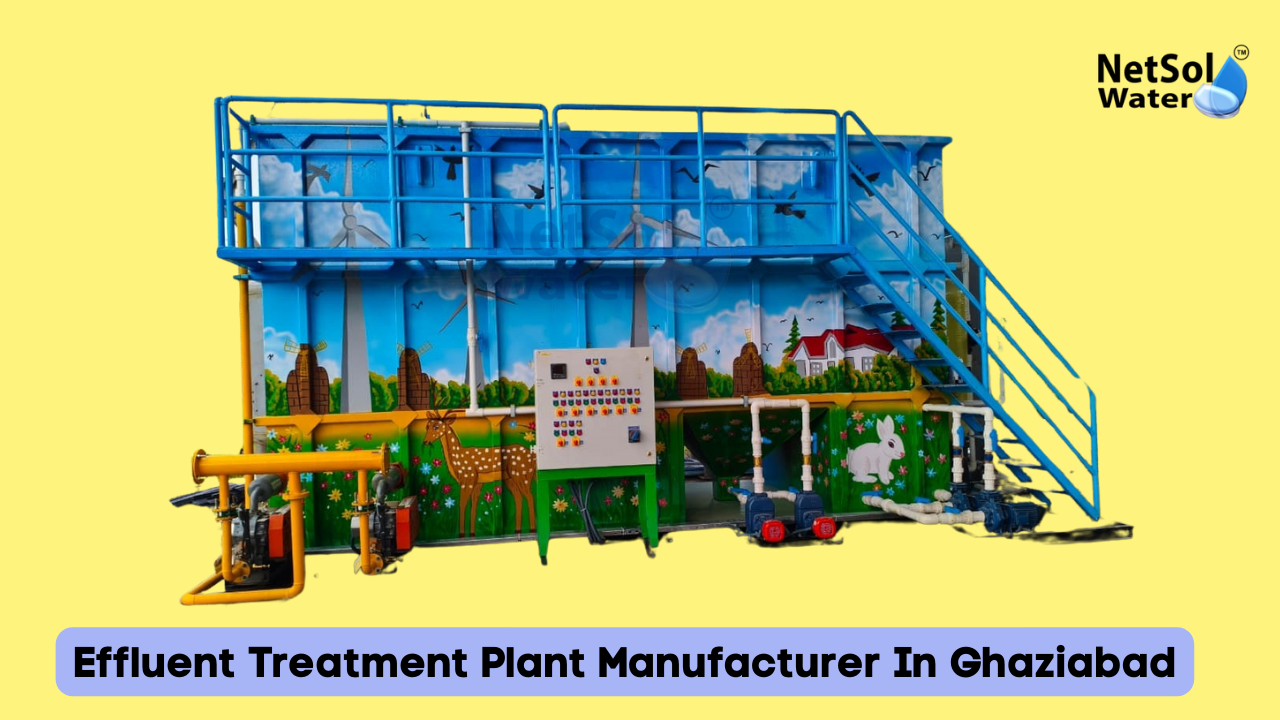
The Hindon river, running through Ghaziabad and much of western Uttar Pradesh, has faced documented pollution pressure for years from a combination of industrial discharge and domestic sewage entering its course, and industrial units in Ghaziabad whose effluent ultimately reaches this specific water body face a distinct set of considerations compared to those connected purely to a CETP with no direct river discharge pathway. Understanding this connection matters for any facility trying to genuinely understand its environmental footprint and compliance exposure. Commercial RO Plant is the best effluent treatment plant manufacturer in ghaziabad at best affordable price and quality.
Why the Hindon Deserves Its Own Attention Separate From General City Enforcement
A Specific, Long-Documented Pollution Concern
The Hindon has been the subject of ongoing environmental concern and periodic tribunal attention for years, given its role as a receiving water body for both industrial and domestic discharge across the districts it passes through. Facilities whose effluent, treated or otherwise, ultimately reaches this river sit within a specifically scrutinised watershed, not just the general regulatory environment applying to Ghaziabad's industries broadly.
Why This Matters Beyond Just Meeting a Discharge Number
A facility technically meeting its prescribed discharge parameters while contributing to the cumulative pollution load of an already-stressed river is still part of a broader environmental problem that draws periodic renewed attention from courts, tribunals, and pollution boards. Treating compliance as simply "hitting the number" misses the bigger picture of what happens once treated water actually leaves the facility.
Why the River's Condition Affects Every Facility in Its Basin, Not Just the Worst Offenders
When a heavily documented water body like the Hindon draws renewed tribunal or media attention, the resulting scrutiny rarely stays narrowly focused on the specific facilities named in any given report. Regulatory attention tends to broaden across the entire basin, meaning even units with a reasonably good compliance history can find themselves facing closer inspection simply because they operate within a watershed that's currently under the spotlight.
What Should Change About ETP Planning for River-Discharging Facilities
Genuine Margin Above Minimum Discharge Standards
Given how much cumulative pressure the Hindon has faced from industrial and domestic sources combined, a facility discharging toward this specific water body benefits from designing treatment with real margin above the bare minimum requirement, since periodic tightening of standards for this particular watershed is a genuine possibility given its documented history.
Reuse as a Direct Way to Reduce Contribution to River Pollution
Every unit of treated effluent that gets reused on-site, rather than discharged toward the Hindon or its connected drainage, directly reduces a facility's contribution to the cumulative load this river has struggled with for years. For industries with genuine reuse potential, cooling, washdown, non-critical process water, this isn't just good practice, it's a meaningful way to reduce a specific, documented environmental impact.
What Technology Choices Make Sense Given This Context
Advanced Treatment for Facilities With Persistent Pollutant Profiles
Textile, dyeing, and chemical-intensive industries in Ghaziabad whose effluent contributes colour or persistent organic compounds toward the Hindon's drainage should genuinely consider advanced oxidation or similar tertiary treatment, given how visibly these pollutants tend to draw attention once they reach a receiving water body already under scrutiny.
Heavy Metal Recovery for Electroplating and Metal Finishing Units
Given the cumulative concern around industrial contamination in this watershed, dedicated heavy metal recovery stages matter as much for genuine environmental impact reduction as they do for straightforward compliance with a facility's own prescribed limits.
Why Seasonal Flow Variation in the Hindon Adds Another Consideration
Like many rivers in this region, the Hindon's flow and dilution capacity vary considerably between monsoon and dry season, meaning the same discharge volume that gets reasonably diluted during high-flow months can represent a proportionally much heavier burden during drier periods when the river's natural flow is at its lowest. Facilities aware of this seasonal pattern sometimes find it worthwhile to build additional buffer or storage capacity, allowing discharge timing to be managed somewhat around these natural flow variations rather than treating every month identically.
What Facilities Should Actually Check Right Now
Understand Your Actual Discharge Pathway
Many facility owners genuinely don't know exactly which drain or water body their treated effluent ultimately reaches. Understanding this pathway, whether it flows toward the Hindon directly, through a connected drain, or into a CETP with a different discharge point entirely, gives a facility genuine context for how closely its own performance might be scrutinised.
Review Whether Your Current ETP Was Ever Designed With This Context in Mind
A treatment system installed years ago, before this level of scrutiny existed, may have been designed purely against generic UPPCB baseline figures without any specific consideration of the receiving water body's documented sensitivity.
Common Mistakes Worth Avoiding
Assuming General Compliance Means the River-Specific Concern Doesn't Apply
A facility passing routine inspection against standard parameters can still be contributing to a documented, long-running watershed problem, since standard compliance checks don't always capture cumulative, basin-wide pressure the way a dedicated river health assessment would.
Treating Reuse as Optional Rather Than a Genuine Mitigation Tool
Given how directly reuse reduces a facility's actual contribution to this specific pollution concern, treating it as a nice-to-have rather than a real opportunity misses a genuine chance to both cut costs and reduce environmental impact simultaneously.
Not Knowing Your Own Discharge Pathway Until an Inspection Forces the Question
A surprising number of facilities only discover exactly where their treated water ends up when an inspector or a legal proceeding forces the question, rather than having this mapped out proactively as part of their own environmental due diligence. Getting ahead of this question, rather than being caught flat-footed by it, is one of the simplest and cheapest steps a facility can take toward genuinely understanding its own environmental footprint.
Choosing a Manufacturer Who Understands This Specific Context
An effluent treatment plant for a Ghaziabad facility discharging toward the Hindon river deserves design consideration that goes beyond just meeting UPPCB's baseline figures, genuinely accounting for the watershed's documented, long-standing pollution pressure.
If your Ghaziabad facility's effluent ultimately reaches the Hindon river system and you want a treatment plant designed with genuine margin and reuse capability in mind,Commercial RO Plant designs systems that address both your immediate compliance needs and your facility's broader environmental contribution.


Comments
Post a Comment