Effluent Treatment Plant Manufacturer In Ghaziabad: A Guide for Industrial Facilities
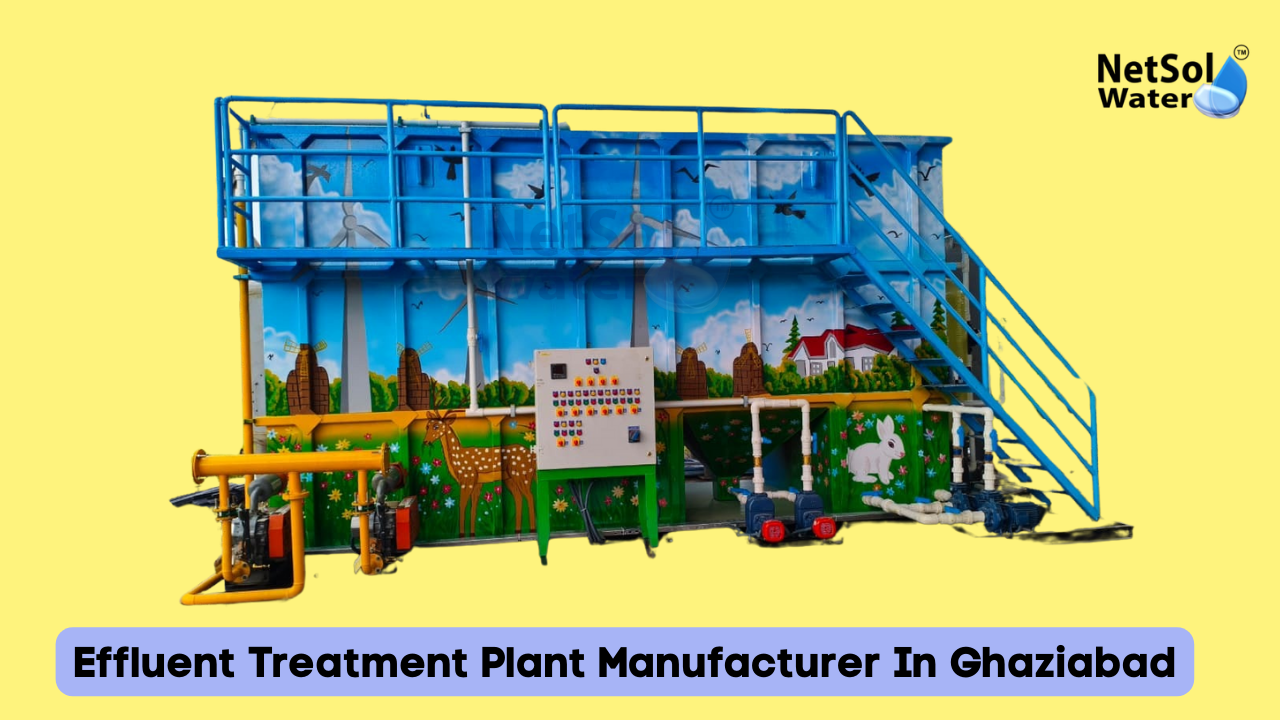
Ghaziabad's industrial base has grown into one of the more significant manufacturing corridors in western Uttar Pradesh, spanning metal processing, plastics, chemicals, electroplating, and engineering goods. All this production activity generates wastewater that needs proper handling, and finding a genuinely capable Effluent Treatment Plant Manufacturer In Ghaziabad has become essential for factory owners looking to avoid ongoing regulatory friction.
Why Ghaziabad's Enforcement Environment Has Changed
The Uttar Pradesh Pollution Control Board has considerably stepped up its monitoring across Ghaziabad's industrial zones in recent years. Inspections that were once occasional and predictable have become more frequent and thorough, with officials checking not just whether a treatment plant technically exists, but whether it's actually functioning and delivering output that meets current discharge standards.
Groundwater stress across several parts of Ghaziabad has also changed how factories think about water security. Units drawing process water from borewells increasingly recognize this resource isn't infinite, and treating effluent for reuse has shifted from being purely an environmental gesture to a practical operational strategy.
Why Industry Diversity Makes a Generic Approach Risky
Ghaziabad's industrial base is genuinely varied, and this diversity means wastewater composition differs considerably from one factory to the next. A metal processing facility generates effluent carrying heavy metals and acidic content. A plastics or rubber processing unit deals with an entirely different set of organic contaminants. Chemical manufacturing units often produce wastewater needing specialized treatment stages well beyond standard biological treatment.
A manufacturer who genuinely understands this variety studies each factory's actual wastewater composition before proposing any design, rather than applying the same standard package regardless of industry type.
Getting Sizing and Compliance Right
Capacity planning deserves as much attention as technology selection. A plant sized too small struggles constantly during peak production periods, while one that's oversized ties up capital in treatment capacity that rarely gets used. Getting this number right requires looking at actual production volumes, shift patterns, and realistic growth projections.
A few things worth understanding about current compliance expectations:
1) Discharge limits for BOD, COD, TSS, and pH continue getting revised periodically
2) Larger industrial units increasingly need proper monitoring and documentation systems in place
3) Non compliance carries escalating consequences, starting with formal notices and moving toward closure orders
What Separates a Trustworthy Manufacturer
Worth checking carefully before committing to anyone: whether they conduct proper wastewater characterization testing before proposing any design, whether they have documented project experience across similar industries specifically within the Ghaziabad region, and how transparent they are about long term running costs. Response time deserves serious consideration too, since a factory dealing with a malfunctioning treatment system needs a technician on site quickly, not days later while compliance risk builds.
Building a Long Term Approach to Water Responsibility
Factories that view their effluent treatment plant as long term infrastructure rather than a one time installation tend to experience fewer breakdowns, lower operating costs across the years, and a considerably smoother relationship with local pollution authorities.
For factories and industrial units across Ghaziabad looking to get their effluent treatment right, Commercial RO Plant brings the kind of technical understanding and long term thinking this decision genuinely requires.


Comments
Post a Comment