Commercial RO Plant Manufacturer In Delhi: Why Malls and Shopping Complexes Need a Fundamentally Different Approach
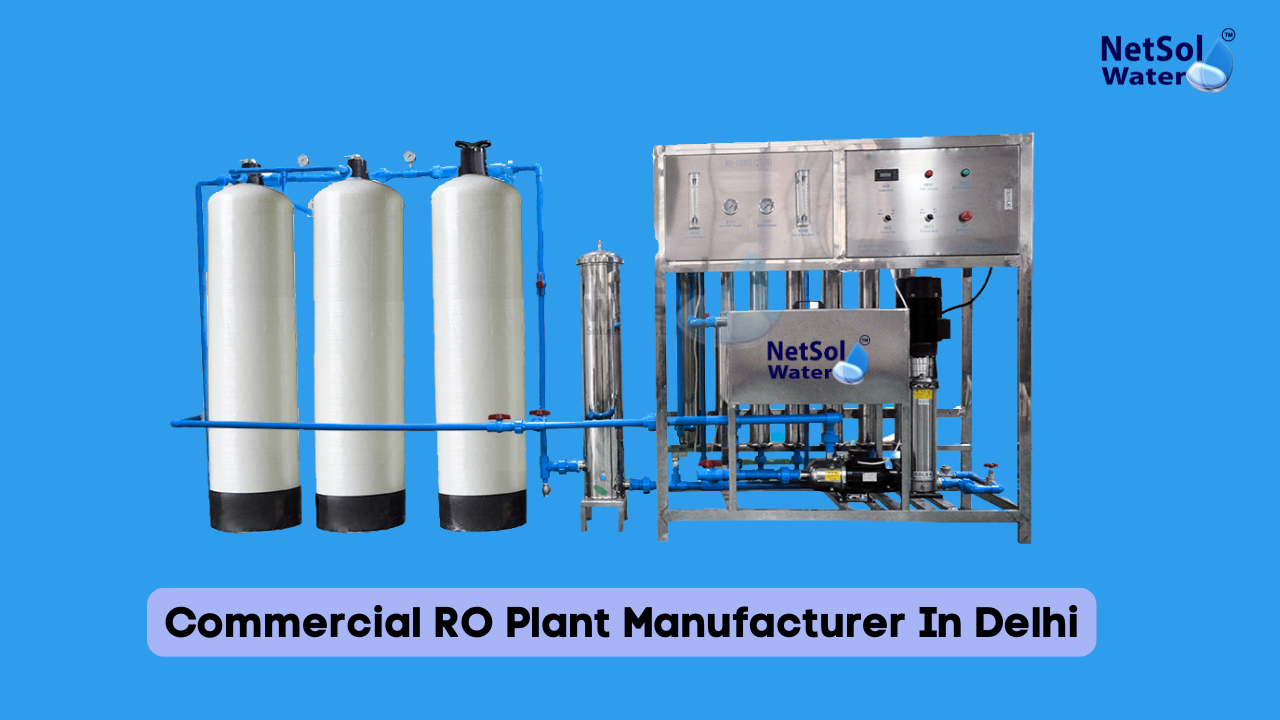
Delhi's malls and large shopping complexes represent one of the most water-intensive commercial building categories in the city, combining massive HVAC cooling loads, food court operations serving dozens of individual vendors, washroom facilities handling enormous daily footfall, and often, individually leased retail units each with their own smaller water needs. A commercial RO plant for this building type needs to be planned as a genuinely integrated system, not a single generic unit trying to serve wildly different internal demands. Commercial RO Plant is the best commercial RO plant manufacturer in Delhi at best affordable price and quality.
Why Malls Represent a Uniquely Complex Water Planning Challenge
Multiple Distinct Demand Centres Under One Roof
A mall isn't a single, uniform water consumer, it's several genuinely different demand centres operating simultaneously, food court kitchens and dishwashing, public washrooms handling heavy footfall, cooling tower makeup for a substantial HVAC system, and individual retail tenants each with smaller, more modest needs. Each of these deserves its own consideration within the overall system design, rather than being lumped into one undifferentiated daily total.
Footfall Patterns Create Their Own Demand Curve
Mall water demand doesn't follow a typical office building's pattern, it tracks shopping and dining hours, weekend footfall spikes considerably above weekday averages, and holiday or festival periods can push demand well beyond what a standard weekly average would suggest. A system designed against average daily consumption risks genuine strain during exactly the peak footfall periods that matter most for the mall's own commercial success.
Multiplex and Entertainment Zones Add Their Own Demand Pattern
Many Delhi malls now include multiplex cinemas, gaming zones, and entertainment areas alongside retail, and these spaces generate their own washroom and food service demand tied to screening schedules and event timings rather than general shopping hours. A mall with a cinema attached needs its RO planning to account for the additional, somewhat independent spike this brings, particularly around evening show changeovers when large numbers of patrons move through washrooms in a short window.
What a Properly Designed System for a Mall Actually Needs
Separate Consideration for Cooling Tower Water
Given how substantial HVAC cooling demand is for a large enclosed shopping complex, cooling tower makeup water deserves its own dedicated planning within the overall RO strategy, distinct from the potable and washroom-grade water needs elsewhere in the building.
Food Court Infrastructure Needs Genuine Attention
A) Grease trap and pre-treatment consideration for the combined wastewater generated by multiple food vendors operating simultaneously
B) RO capacity genuinely sized against peak dining hours, not an average spread across the full operating day
C) Coordination between individual vendor water needs and the mall's centralised supply system
Storage That Genuinely Covers Peak Footfall Events
Weekend and festival period storage needs should be sized against realistic peak footfall scenarios, not a smoothed weekly average that dramatically understates what the building actually experiences during its busiest, most commercially important periods.
Zoned Distribution Rather Than a Single Central Point
Given how spread out a large mall's water demand centres genuinely are, food court on one level, washrooms scattered across multiple floors, cooling infrastructure elsewhere entirely, a single centralised RO output point can mean long plumbing runs and pressure inconsistencies reaching the furthest zones. A zoned distribution approach, with strategically placed storage or booster capacity near the highest-demand areas, often delivers more consistent performance than relying on one central system to push water evenly across an entire large-footprint building.
Why Reuse Genuinely Makes Financial Sense for This Building Type
The Volume Involved Makes Recovery Genuinely Worthwhile
Given the sheer scale of water consumption in a large mall, even a modest improvement in recovery rate or a well-designed reuse strategy for flushing and landscaping translates into meaningful cost savings over the building's operating life, savings substantial enough to justify real engineering attention rather than treating recovery rate as a minor technical detail.
Why This Also Supports Any Sustainability Positioning the Mall Wants to Pursue
Large commercial properties increasingly use sustainability credentials as part of their tenant and customer-facing positioning, and a genuinely efficient water system, properly documented, supports this positioning with real, verifiable numbers rather than a vague claim.
Why Coordination With the Mall's Facilities Management Team Matters Ongoing
Retail Tenant Turnover Changes the Water Picture Over Time
Malls see genuine tenant turnover over the years, a food court vendor closing and reopening as something different, a large anchor store subdividing into smaller units. Each of these changes can shift the building's actual water demand pattern in ways the original RO system design didn't anticipate, which is why periodic reassessment against current tenant mix, not just the opening-day configuration, genuinely matters for a property with this much internal change over its operating life.
Why a Dedicated Facilities Contact Improves Long-Term System Performance
Malls with a clear, dedicated facilities management point of contact for water system oversight tend to catch performance drift and emerging issues considerably earlier than properties where this responsibility is diffused across multiple departments or outsourced without clear ownership. This single point of contact becomes especially valuable when coordinating with the RO manufacturer's AMC team, since consistent communication genuinely improves how quickly issues get identified and resolved.
What Mall Owners and Facility Managers Should Ask Their Manufacturer
1) Has our cooling tower demand been planned separately from our general building water needs?
2) Does the proposed system account for our genuine weekend and festival peak footfall, not an average?
3) How is food court wastewater and demand factored into the overall design?
4) What recovery rate is the system engineered toward, given how much this affects our long-term running costs at this scale?
5) Does the distribution strategy account for our building's actual footprint and zone-by-zone demand spread?
Common Mistakes Mall Water Planning Makes
Treating the Entire Building as a Single, Undifferentiated Demand Point
A system designed off one blended daily average, without separating cooling, food court, and general washroom demand into their own distinct planning categories, tends to underperform against at least one of these genuinely different usage patterns.
Underestimating Weekend and Festival Peak Demand
Sizing against a weekday average, rather than the mall's actual busiest realistic periods, leaves the system most vulnerable exactly when footfall, and therefore water demand, is at its highest.
Making the Right Choice for a Genuinely Complex Building Type
A mall or large shopping complex needs its RO system planned as several coordinated demand streams working together, not a single generic commercial unit stretched to cover fundamentally different internal needs.
If you're planning or reviewing a commercial RO plant for a Delhi mall or shopping complex, Commercial RO Plant designs systems that genuinely separate and plan for cooling, food court, and footfall-driven demand, rather than treating the entire building as one undifferentiated water consumer.


Comments
Post a Comment