Commercial RO Plant Manufacturer in Delhi: Why Do Recovery Rate Rules Actually Matter for Your Building?
The National Green Tribunal has directly addressed reverse osmosis water purification in Delhi, ruling against RO purifier use in areas where source water TDS is already below 500 mg/L, and mandating that RO systems maintain a minimum 60% water recovery rate specifically to reduce wastage of a resource already under serious strain across the capital. For any commercial building evaluating an RO plant in Delhi today, understanding this regulatory backdrop, and what it actually means for system design, isn’t a side detail, it directly shapes what a compliant, sensible commercial RO installation looks like in this city. Commercial RO Plant is one of the best commercial RO plant manufacturer in Delhi at best affordable price and quality.
Why Did This Recovery Rate Ruling Come About in the First Place?
RO Wastage Became a Genuine Environmental Concern
Reverse osmosis systems reject a portion of the water they process as concentrate, and older, poorly designed systems could waste considerably more water than they actually produced as usable output. In a city facing genuine water stress, this level of wastage across thousands of installations represented a real, measurable drain on an already limited resource.
Why the Ruling Targets Recovery Rate Rather Than Banning RO Outright
Rather than restricting RO technology entirely, the ruling specifically targets efficiency, requiring a minimum 60% recovery rate, meaning systems need to be designed to actually make productive use of the water they draw rather than rejecting the majority of it as waste. This distinction matters for commercial buildings, since it means the conversation isn’t about whether RO is permitted, but about whether a specific system is designed efficiently enough to meet this threshold.
Why This Reflects a Broader Pattern in Delhi’s Water Policy
This ruling doesn’t exist in isolation, it sits alongside a broader set of measures Delhi has pursued around water conservation and reuse, from expanding decentralised sewage treatment to pushing treated wastewater reuse across parks and waterbodies. Viewed together, the pattern is consistent: the city is increasingly treating every drop of water, whether fresh intake or treatment reject, as something to be used as efficiently as possible rather than simply consumed and discarded.
What Does This Mean Practically for a Commercial RO Installation?
Source Water Testing Becomes Even More Important
Given that the ruling ties directly to source water TDS levels, understanding your building’s actual water quality isn’t just good design practice in Delhi, it’s directly relevant to whether RO treatment is even the appropriate solution for your specific source, or whether a lighter treatment approach would be more suitable and more compliant with the spirit of the ruling.
Recovery Rate Needs to Be an Explicit Design Target, Not an Afterthought
A commercial RO system genuinely designed around a 60% recovery target requires careful membrane selection, proper staging, and often additional pre-treatment to protect membranes operating at higher recovery without excessive scaling risk. A manufacturer who doesn’t discuss recovery rate as a specific design parameter is potentially proposing a system that falls short of what current expectations actually call for.
Why Higher Recovery Changes the Pre-Treatment Conversation Entirely
Pushing recovery rate higher means the concentrate stream carries a heavier mineral load, since the same dissolved solids are being packed into a smaller volume of rejected water. This raises the scaling risk on membranes considerably, which is exactly why a system engineered for genuine 60% recovery needs more careful antiscalant dosing and, in many cases, a properly sized softening stage ahead of the membranes, rather than the lighter pre-treatment that might suffice for a lower-recovery, higher-waste configuration.
Why Does Delhi’s Water Quality Variation Make This Even More Complicated?
TDS Levels Genuinely Differ Across the City
Delhi’s water quality swings considerably by locality, areas served by treated Yamuna water often sitting in a lower TDS range, while pockets relying more heavily on groundwater can run considerably higher. This variation means the appropriateness, and the specific design, of an RO system genuinely needs to be assessed building by building rather than assumed from a citywide average.
Why a Generic System Risks Both Underperformance and Non-Compliance
A commercial RO plant designed without accounting for a building’s specific source water risks two separate problems simultaneously, underperforming against actual water quality needs, and potentially falling short of the recovery efficiency current regulatory expectations call for in this city specifically.
How Seasonal Supply Changes Complicate the Picture Further
Delhi’s water supply mix shifts through the year, with some areas seeing more groundwater reliance during peak summer demand when municipal supply is stretched thinnest. A commercial RO system that performed well against spring water quality data can find itself facing meaningfully different source water by mid-summer, which is exactly why ongoing monitoring, not a single initial test, genuinely matters for buildings in variable-supply areas.
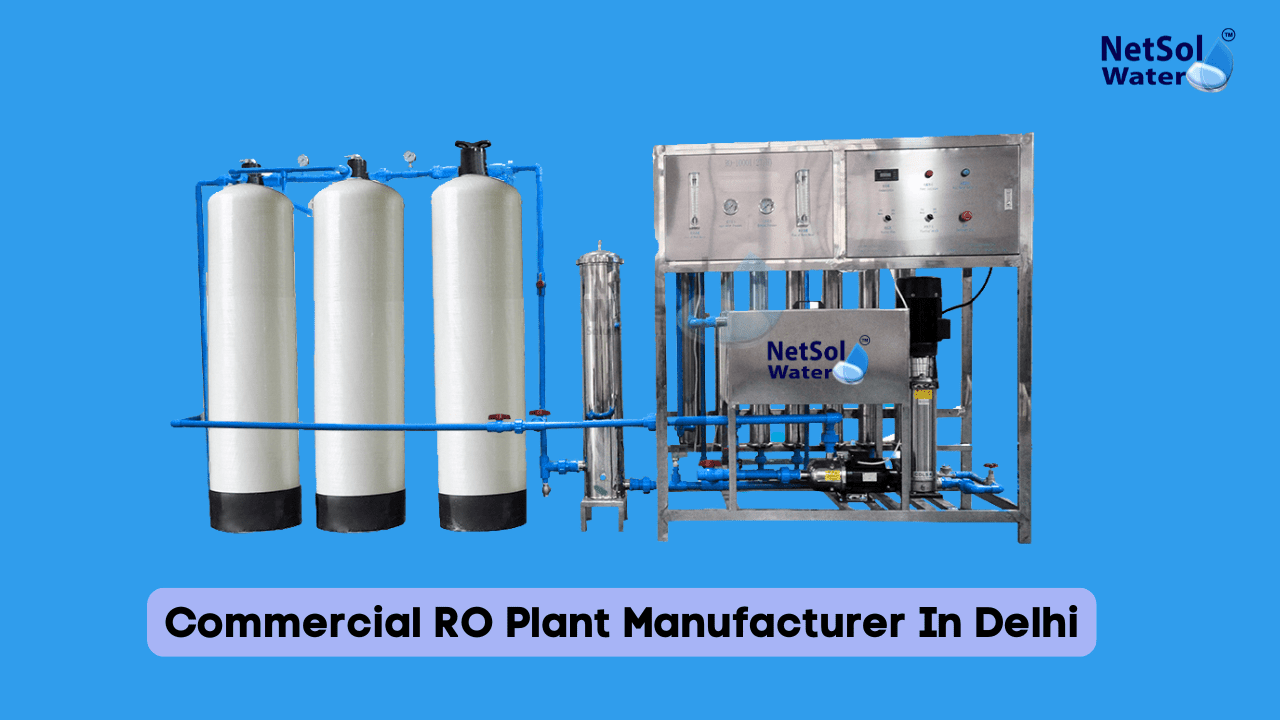
What Should a Commercial RO System in Delhi Genuinely Include?
Pre-Treatment Sized to Support Higher Recovery Safely
1) Adequate sediment and iron removal ahead of the membrane stage, reducing fouling risk at higher recovery rates
2) Water softening or antiscalant dosing calibrated against actual hardness, since higher recovery concentrates minerals more aggressively
3) Membrane selection and staging genuinely designed around the 60% recovery target, not a lower-efficiency default configuration
Storage That Accounts for Delhi’s Occasional Supply Interruptions
Given how unevenly reliable municipal supply can be across parts of Delhi, storage capacity needs to cover genuine worst-case interruptions, not just an average day’s consumption, particularly for commercial buildings where a shortfall during business hours carries real operational cost.
Genuine Reject Water Planning Rather Than Simple Drainage
Even at 60% recovery, a meaningful volume of concentrate still needs somewhere to go, and simply draining it isn’t the most sensible option for a building genuinely committed to responsible water management. Routing reject water toward non-potable uses, flushing, gardening, cooling tower makeup where applicable, reduces a building’s net freshwater draw further, extending the spirit of the recovery ruling beyond just the RO system’s own internal efficiency.
What Mistakes Are Delhi Businesses Still Making With Commercial RO Installations?
Installing Systems Without Checking Whether RO Is Even the Right Fit
Given the NGT’s specific position on RO use where source TDS already sits below 500 mg/L, some Delhi buildings may be installing full RO treatment where a lighter filtration approach would be more appropriate, and more aligned with current regulatory thinking around water conservation.
Choosing Systems Based on Output Alone, Ignoring Recovery Efficiency
A system quoted purely on its treated water output, without any discussion of recovery rate, risks falling well short of the efficiency now expected in this city, and potentially wasting considerably more source water than necessary in the process.
Assuming a Citywide Water Quality Average Applies to a Specific Building
Sizing a system against a generic Delhi TDS assumption, rather than testing the building’s actual source, tends to leave pre-treatment either unnecessarily aggressive or genuinely undersized, neither of which serves the building well over the system’s operating life.
Neglecting to Revisit System Performance as Supply Sources Shift
A commercial RO system that was well-matched to its source water at installation can drift out of alignment as a building’s supply mix changes over subsequent years, particularly where municipal infrastructure upgrades or new groundwater dependency alter the water actually reaching a building’s inlet.
What Should You Ask a Delhi RO Manufacturer Given This Regulatory Context?
A) Has the manufacturer tested your building’s actual source water TDS, and does RO treatment genuinely make sense for that reading?
B) Is the proposed system explicitly designed to achieve at least 60% recovery, and how is that being engineered into the design?
C) What pre-treatment is included to support higher recovery without accelerating membrane fouling?
D) How does storage capacity account for genuine supply interruption risk specific to your building’s location?
Making a Genuinely Informed Decision for a Delhi Commercial Building
Choosing a commercial RO system in Delhi today means engaging with a regulatory backdrop that specifically ties RO use and design to source water quality and recovery efficiency, not just treated water output. The right manufacturer tests your actual water, designs explicitly around current recovery expectations, and helps you understand whether RO is genuinely the right treatment approach for your specific building in the first place.
If you’re evaluating a new commercial RO installation in Delhi, or want an existing system reviewed against current recovery efficiency expectations, Commercial RO Plant designs systems around actual site testing and genuine recovery-rate engineering, rather than a generic output-focused template.


Comments
Post a Comment