Commercial RO Plant Manufacturer In Gurgaon: A Buyer’s Guide for Local Businesses
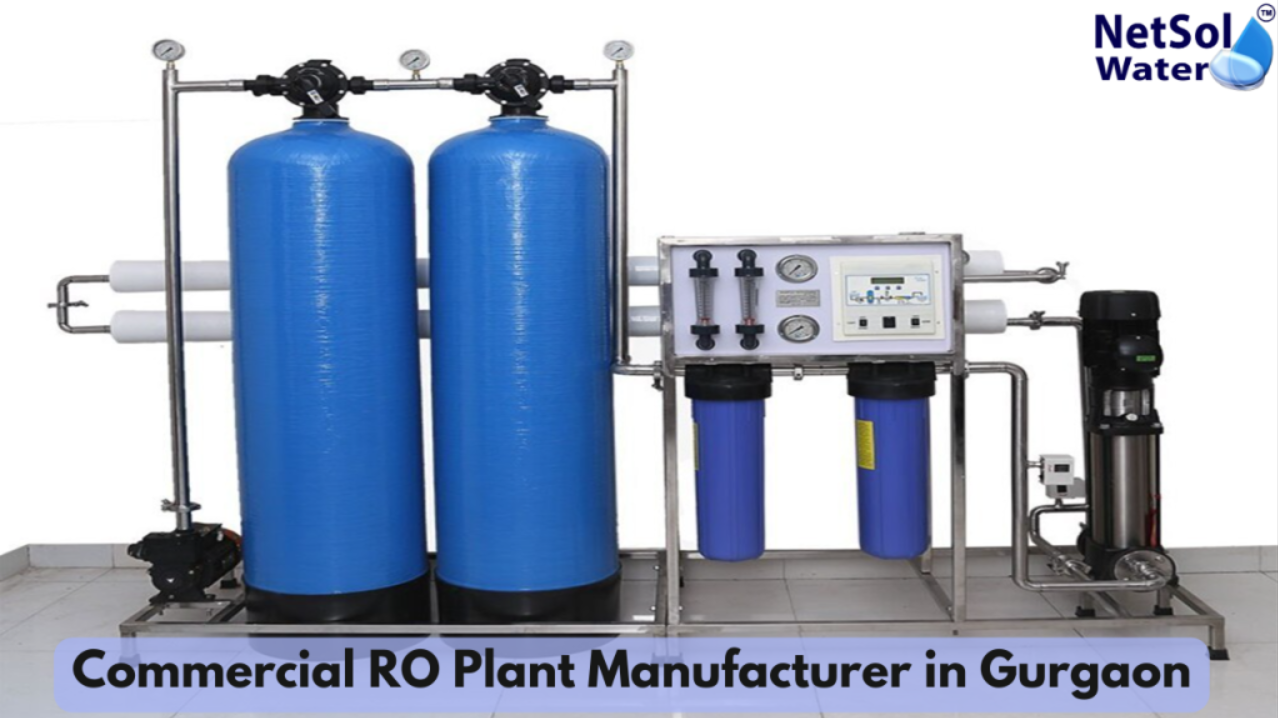
Gurgaon’s water situation is genuinely tougher than most cities in the region. Government groundwater monitoring has recorded average TDS levels here running more than double the BIS acceptable limit, with individual readings climbing considerably higher at some points across the district, and a falling water table that’s been under pressure for years as businesses and residents alike keep drawing more than the aquifer can replenish. For commercial establishments, malls, corporate towers, hotels, hospitals, restaurants, this isn’t a background concern, it’s the reason a reliable RO system has become close to essential infrastructure. The harder question is finding a manufacturer who can actually deliver a system built for water this demanding.Commercial RO Plant is one of the best commercial RO plant manufacturer in Gurgaon at best affordable price and quality.
What Makes Gurgaon Different From a Design Standpoint
The single biggest challenge in this city is inconsistency. Because so many buildings still rely on private borewells or tanker supply rather than a fully dependable municipal network, water quality can swing noticeably even between neighbouring properties. Some areas show high salinity and sodium, others report elevated nitrate or fluoride, and a good number of commercial buildings lean on tanker water during peak summer months, water pulled from largely untested sources that adds its own layer of unpredictability.
A manufacturer designing around “typical Gurgaon water” without actually testing your specific building’s source is really just designing around an average that may have nothing to do with what’s actually coming through your pipes.
What a Reliable Gurgaon RO Manufacturer Should Offer
A) Source-specific water testing before any design work begins. Given how much quality varies here, this genuinely isn’t optional. A manufacturer quoting a price before testing your actual water source is skipping the single most important step in the entire process.
B) Pre-treatment built around your test results, heavier sediment filtration and iron removal for buildings on tanker or older borewell supply, dedicated softening where hardness is high, and membrane banks rated to comfortably handle TDS levels well above what generic product specifications often assume as a worst case.
C) Storage sized for supply interruptions, not just average demand. Given how many Gurgaon businesses deal with inconsistent water supply, tanker delays, municipal gaps, borewells running low during peak summer, storage capacity needs to cover worst-case interruptions, not just an average day’s consumption.
D) Honest guidance on recovery rates and reject water planning. Higher TDS generally means a system works harder and rejects more water to hit the same output, and a good manufacturer will walk you through what that means for your building’s reject water handling, whether that’s reuse for flushing and cooling towers, or drainage, rather than glossing over it.
E) Clarity on maintenance demands specific to high-TDS water. Systems treating water at the higher end of Gurgaon’s TDS range need more frequent membrane cleaning cycles than a standard installation elsewhere might. A manufacturer should be upfront about this from the start, rather than letting a buyer discover it through declining output months later.
Questions to Ask Before You Commit
1) Has an actual sample from your building’s water source been tested, and what did it show?
2) How is the proposed system rated to handle TDS on the higher end of what Gurgaon’s water can reach, not just an average-case scenario?
3) What storage margin is built in to cover supply interruptions during peak summer months?
4) What does ongoing maintenance actually include, and how quickly can a technician reach your site if something fails?
Where Businesses Commonly Go Wrong
Installing a system designed around assumed rather than tested water quality is probably the single most common misstep in Gurgaon specifically, and it tends to surface gradually rather than immediately, membranes needing replacement sooner than expected, output quietly dropping over months before anyone notices, maintenance costs creeping past what was budgeted at installation. Undersized storage is another recurring problem, leaving buildings exposed exactly when water supply is least reliable. And choosing a manufacturer purely on upfront price, without checking membrane quality or pre-treatment sizing, tends to cost considerably more over the plant’s life than it saves at purchase.
There’s also a tendency among some buildings to treat their RO system as fully automatic and maintenance-free once installed. Given how variable Gurgaon’s source water can be, that assumption is risky. Periodic testing of output water quality, even a simple TDS check, helps catch a gradual performance decline long before it becomes a visible problem affecting daily operations.
Thinking About Reuse From Day One
With Gurgaon’s groundwater under such visible strain, more commercial buildings are planning what happens to their RO reject water rather than simply draining it away, reuse for flushing, cooling towers, or landscaping cuts a building’s net water draw meaningfully. It’s a conversation worth having with your manufacturer at the design stage, since planning reuse plumbing into the original layout costs far less than retrofitting it into a building that’s already operational.
Working With Tanker-Dependent Supply
A fair number of Gurgaon commercial buildings, particularly in newer developments still waiting on full municipal connections, rely on tanker water for at least part of their supply. This adds a genuine design challenge, since tanker water quality can vary from delivery to delivery. A manufacturer experienced with this reality will typically recommend a buffer storage and testing arrangement that catches unusually poor-quality deliveries before they’re fed straight into the RO system, protecting membranes from an unexpected quality spike.
Choosing the Right Partner
Gurgaon’s water is demanding enough that a commercial RO system genuinely needs to be built around your building’s actual source, not a generic city-wide assumption. The manufacturer worth choosing tests before they quote, sizes pre-treatment and storage for the water conditions you actually have, and stays reachable long after installation.
Commercial RO Plant has installed and maintained systems across Gurgaon’s commercial establishments, from hospitality to healthcare to corporate campuses, working from actual site water testing rather than generic averages that miss just how much quality varies block to block in this city. If your business is evaluating a new commercial RO plant or trying to understand why an existing one isn’t performing the way it should, their team can review your specific water source and consumption pattern before recommending a design.


Comments
Post a Comment