Choosing The Right Effluent Treatment Plant Manufacturer In Gurgaon
Choosing The Right Effluent Treatment Plant Manufacturer In Gurgaon
Gurgaon is not just a city of corporate towers and luxury apartments. Pharmaceutical companies, auto component manufacturers, food processing units, textile finishing operations, chemical manufacturers, and dozens of other industries operate here. All of them share one common regulatory and operational challenge which is managing their industrial effluent.
Finding the right Effluent Treatment Plant Manufacturer In Gurgaon is not as simple as doing a quick search and picking the first name that comes up. The quality of design and manufacturing varies enormously across vendors and the consequences of choosing poorly are serious. Compliance failures, frequent plant breakdowns, and treated water that does not meet discharge standards are all things that follow from a badly designed or poorly built ETP.
This blog gives you a thorough and practical guide to understanding ETPs in the Gurgaon context and making a smart decision when you are ready to move forward.
Why Gurgaon's Industrial Zones Create Specific ETP Challenges
Gurgaon's industrial areas are diverse in terms of the types of industries operating within them and that diversity creates a wide range of effluent treatment challenges.
IMT Manesar is one of India's most important auto manufacturing hubs. Units here produce metal fabrication effluent, paint shop wastewater carrying chromium and other heavy metals, and oily wastewater from machining and assembly operations. This type of effluent requires specific physico-chemical treatment including metal precipitation and oil separation before biological treatment can be applied.
Udyog Vihar hosts a mix of pharmaceutical manufacturers, packaging companies, electronics assembly operations, and light manufacturing too. In particular the pharmaceutical effluent needs careful handling of dissolved organic compounds, solvents, and active pharmaceutical ingredients, because these things can mess with biological treatment if they are not managed through a properly designed pre treatment stage.
Meanwhile the food and beverage processing units working across Gurgaon generate high BOD effluent from washing , cooking and the processing steps. This kind of wastewater actually responds pretty well to biological treatment, but it still needs thoughtful equalisation and grease control before it enters that biological stage, otherwise the downstream process gets troubled.
A Effluent Treatment Plant Manufacturer in Gurgaon who has experience across these different industrial categories adds real value to the project. They don’t just put in a standard template or the usual approach, they lean on on the practical experience dealing with the particular pollutant make up and treatment difficulties that these industries generate .
How To Assess Your Effluent Before Approaching A Manufacturer
The single most valuable thing you can do before approaching any ETP manufacturer is to get some proper characterisation report for your effluent. Like, really proper. This means collecting representative samples from your final effluent discharge point at different times during the production day and then having them tested by a NABL-accredited laboratory for the key parameters.
The parameters that matter most are usually pH, biochemical oxygen demand, chemical oxygen demand, total suspended solids, total dissolved solids, oil-and-grease, and then any industry related parameters such as heavy metals, colour or specific chemical compounds that match your actual process.
This data does several things for you. It removes guesswork from the design process and allows a manufacturer to propose the right treatment technology for your actual effluent rather than a generic system. It gives you a baseline to measure the performance of the installed ETP against. And it demonstrates to your pollution control board that you are approaching compliance seriously and professionally.
When you approach a manufacturer armed with this data, the conversation becomes much more productive and the proposal you receive will be much more accurate.
The Treatment Process For Industrial Effluent In Gurgaon's Industries
While every ETP is different, here is a general picture of how treatment is structured for the types of industries common in Gurgaon.
Step 1: Collection and Equalisation
The whole treatment process kicks off by collecting industrial effluent in an equalisation tank. Because wastewater isn’t produced at the same rate all the time during manufacturing, the tank sort of levels out the ups and downs in flow, pH and the pollutant concentration. This helps keep the treatment system supplied with a steady, uniform feed, even when everything else is a bit erratic.
Step 2: Pre-treatment
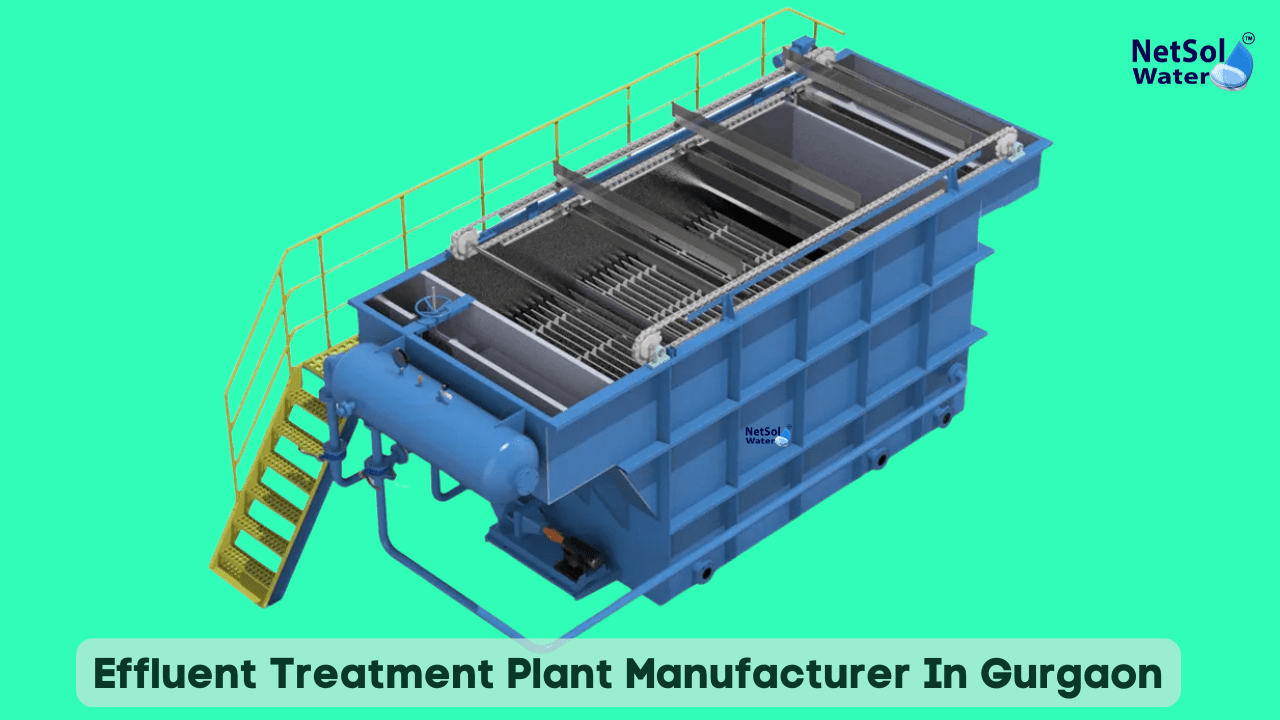
Pre-treatment is basically about removing those industry specific contaminants before the biological phase really gets underway. In auto and metal plants, this usually means separating oil and grease, along with some chemical treatment to take out heavy metals. In pharma facilities, they sometimes rely on ozone or advanced oxidation, in order to dismantle those hard to degrade organic compounds. For food processing units, dissolved air flotation is common, since it can pull out fats oils and suspended solids, pretty efficiently.
Step 3: Biological Treatment
After that, the effluent goes into the biological treatment stage, where microorganisms are used to reduce organic pollution. Depending on what kind of wastewater it is, and also how much comes through, systems like Activated Sludge Process (ASP), MBBR, or SBR may be selected. The key job here is to bring down BOD and COD levels so the discharge can meet the required standards.
Step 4: Tertiary Treatment
After the biological treatment stage, the water kinda moves along to tertiary treatment, for extra polishing and a bit more, you know, refinement. In this phase, pressure sand filters along with activated carbon filters deal with leftover suspended solids, turbidity, color, and those trace contaminants that sometimes refuse to go away. Overall this leads to a noticeably better final water quality, even if it feels like a “last step” it is still important.
Step 5 Disinfection
Now, the treated water gets disinfected using UV treatment OR chlorination, depending on what the plant is set up for. Basically, the goal is to make sure harmful pathogens are removed, so the treated effluent meets the discharge rules required , by the regulators.
Step 6 Sludge Management
The sludge produced across the different treatment stages is collected, but it is handled separately. First it is thickened, then dewatered via a filter press, and afterward it is either disposed of or managed in line with hazardous waste handling guidance that applies to the specific industry. Nothing is thrown together here, usually.
Step 7 Advanced Treatment for ZLD
For industrial units working under Zero Liquid Discharge (ZLD) norms, the process often includes extra advanced treatment setups like ultrafiltration, reverse osmosis, and evaporation tech. These options help in reclaiming water for reuse and, in the same breath, minimise or completely wipe out liquid discharge from the plant.
What To Check When Comparing ETP Manufacturers In Gurgaon
You will likely speak to several manufacturers before making a decision. Here is a practical framework for comparison that goes beyond just comparing price quotes.
1) Site Visit And Effluent Analysis
Does the manufacturer insist on visiting your site and reviewing your effluent characterisation data before submitting a proposal? If they are willing to give you a quote over the phone without seeing your site or your effluent data, treat that as a serious warning sign. Proper ETP design cannot be done from a distance without understanding the actual conditions.
2) Industry-Specific References
Ask specifically about ETPs they have designed and installed for your industry type. A manufacturer experienced with pharmaceutical effluent treatment brings different knowledge to the table than one whose experience is mostly in food processing. Both are valuable in their own context but you want relevant experience for your situation.
3) In-House Manufacturing
There is a meaningful difference between manufacturers who fabricate their own equipment and those who assemble systems from third-party components without real engineering ownership of what they supply. In-house manufacturing gives you better quality control, faster response to design modifications during the project, and better accountability if something does not perform as designed.
4) Clarity On Scope
Before comparing costs across manufacturers, make sure the scopes are actually comparable. Does the quote include civil work? Electrical wiring and panels? Automation and SCADA? Commissioning and operator training? Getting clarity on scope prevents expensive surprises when the project is halfway done.
5) Long-Term Service Commitment
Ask about their AMC structure and what it covers. Ask about response times for urgent service calls. Ask whether they have engineers based in Gurgaon or the broader NCR area who can reach your facility quickly when needed. An ETP manufacturer who does not have a genuine service infrastructure in your region will be a recurring source of frustration after the project is handed over.
The Cost Of Getting It Wrong
It is worth being direct about this because a lot of buyers learn this lesson the hard way.
A poorly designed or cheaply built ETP will typically fail to consistently meet discharge standards. This means your pollution control board inspector will flag deficiencies during inspections. You will receive notices. You will be asked to make modifications. Those modifications often cost more than the original savings from choosing the cheaper manufacturer.
Choosing a quality Effluent Treatment Plant Manufacturer in Gurgaon who designs the system correctly and builds it properly is genuinely the most cost-effective decision over the medium and long term, even if the upfront quote is higher.
Commercial RO Plant: Trusted Effluent Treatment Plant Manufacturer In Gurgaon
Commercial RO Plant is an ISO certified manufacturer and supplier of effluent treatment plants, sewage treatment plants, and industrial RO systems serving industries all across India including Gurgaon and the wider NCR region.
We work across sectors including pharmaceuticals, food processing, auto components, textiles, chemicals, and more. Our engineering team starts every project with a site visit and an honest assessment of your effluent and your specific compliance requirements.
If you are looking for an Effluent Treatment Plant Manufacturer in Gurgaon who brings real technical depth, honest recommendations, and a long-term service commitment to your project, we would be very happy to start a conversation.


Comments
Post a Comment