What Is The Importance of STP Plant For Commercial And Industrial Areas In Delhi ?
What Is The Importance of STP Plant For Commercial And Industrial Areas In Delhi ?
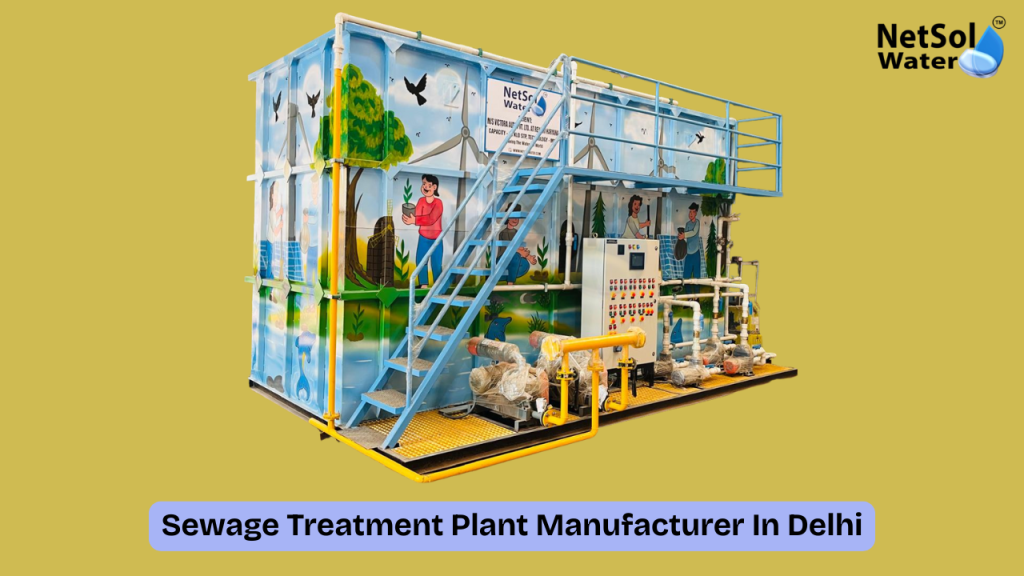
Delhi runs on business. From large corporate offices in Connaught Place to industrial clusters in Bawana and Okhla, commercial and industrial activity powers the city’s economy. But behind every office building, factory floor, shopping mall, and hospital lies a common reality that few people talk about openly. All of them generate wastewater. Commercial RO Plant is the best sewage treatment plant manufacturer in Delhi at best affordable price and quality.
And that is exactly why installing an STP for Commercial and Industrial Areas in Delhi is no longer optional. It is essential.
Let us explore why this matters so much today.
Delhi’s Water Reality: Growth With Pressure
Delhi consumes enormous volumes of water every day. A mid sized commercial building can use tens of thousands of liters daily for restrooms, cooling towers, cleaning, and food courts. Industrial units consume even more depending on their processes.
Now imagine this across hundreds of such facilities.
All that water turns into wastewater. If not treated properly, it ends up:
Overloading municipal drains
Polluting nearby water bodies
Contaminating groundwater
Creating foul odors and sanitation problems
Why Commercial Areas Specifically Need STPs
Water consumption in food courts and restrooms increases accordingly. Without proper wastewater treatment, such peak loads strain drainage systems and create hygiene issues.
Here are a few key reasons commercial complexes depend on STPs:
1. Regulatory Compliance
Environmental authorities require large buildings to treat wastewater before discharge. Failure to comply can lead to:
1) Monetary penalties
2) Legal notices
3) Temporary shutdowns
4) For a business generating daily revenue, even a short disruption is costly.
2. Water Reuse for Operational Efficiency
The water consumption in commercial buildings occurs through their cooling tower systems and their landscape watering needs. The needs of these systems can be satisfied through STP treated water which functions as an effective solution.
The corporate office building which depends on its centralized air conditioning system requires its cooling towers for essential operation. The use of treated wastewater instead of fresh water leads to cost savings while protecting environmental resources.
3. Brand and Reputation
Today’s consumers are more aware. Sustainable operations influence brand perception. A mall or corporate office that actively recycles water projects responsibility and modern management.
Industrial Areas: Even Higher Stakes
Industrial zones present a more complex challenge. The wastewater generated by factories may contain different amounts of organic material and oils and chemicals and suspended solids according to the specific industry.
Different industrial sectors such as food processing and textile production and pharmaceutical manufacturing and metal processing generate distinct types of effluent.
The design process for a commercial and industrial area STP facility in Delhi requires a customized approach. The needs of different industries require specific design solutions which cannot be addressed through a single standard design.
Industrial Benefits of STPs
1) Prevention of Environmental Damage
Untreated industrial discharge leads to severe environmental destruction of both soil and water ecosystems. Treatment prevents long term ecological harm.
2) Protection Against Regulatory Action
Industrial inspections occur with high frequency. Businesses can avoid operational risks by meeting discharge norms.
3) Water Recycling in Production
Many industries reuse treated water for washing and cooling and process applications. This reduces dependence on external supply.
4) Lower Operational Costs Over Time
The recycling process decreases the need for freshwater resources which provides financial advantages in water intensive industries.
The Economics of Installing an STP
Some business owners hesitate because of upfront installation costs. That hesitation is understandable. However, long term financial evaluation tells a different story.
Let us consider a practical comparison.
Without an STP:
1) High tanker water bills
2) Risk of compliance penalties
3) Frequent drainage maintenance
4) Possible legal action
With a properly functioning STP:
A) Reduced freshwater consumption
B) Reusable treated water
C) Controlled discharge quality
D) Improved infrastructure lifespan
Key Features of an Effective STP for Commercial and Industrial Areas in Delhi
Technology selection matters. Systems like MBBR, SBR, or MBR may be chosen depending on space availability, wastewater characteristics, and required effluent quality.
The wrong choice can increase maintenance costs. The right design ensures stability and compliance.
Not all systems are equal. A good STP must:
1) Handle fluctuating load conditions
2) Meet DPCC discharge standards
3) Operate efficiently with manageable power consumption
4) Include proper sludge management systems
5) Offer automation for consistent performance
Final Thoughts
Commercial and industrial growth in Delhi will continue. Water use will rise. Regulations will become stricter. Under these circumstances, installing an STP for Commercial and Industrial Areas in Delhi about operational stability, financial efficiency, and environmental responsibility.
If you are considering installing or upgrading a sewage treatment system, partnering with an experienced provider makes all the difference. Commercial RO Plant has developed a strong reputation for delivering customized, efficient, and compliance focused Sewage Treatment Plant solutions across commercial and industrial sectors. Their technical expertise, careful design approach, and post installation support help organizations manage wastewater confidently and responsibly.
In a city as dynamic as Delhi, smart water management is not just good practice. It is smart business.


Comments
Post a Comment